On the western edge of Vancouver Island, roads eventually stop being the main way of getting around. In Nootka Sound, boats, floatplanes, helicopters, and weather windows take over, connecting remote communities tucked between mountains, rainforest, and open ocean. For travellers heading beyond Gold River toward Tahsis and Yuquot, the journey itself becomes inseparable from the experience.
By Taylor Burk
Share
This feature is presented in partnership with Explore Nootka and written by Taylor Burk on assignment for Go Canada.
All words and images by Taylor Burk.

“It’s worth the drive to Tahsis,” I thought while sipping coffee, fresh baked goods on the table, and a hearty homemade sandwich waiting beside me in a café that could rival those in any major city. A bit shocking considering the town has fewer than 400 full-time residents and feels quite quiet, in the best way possible.
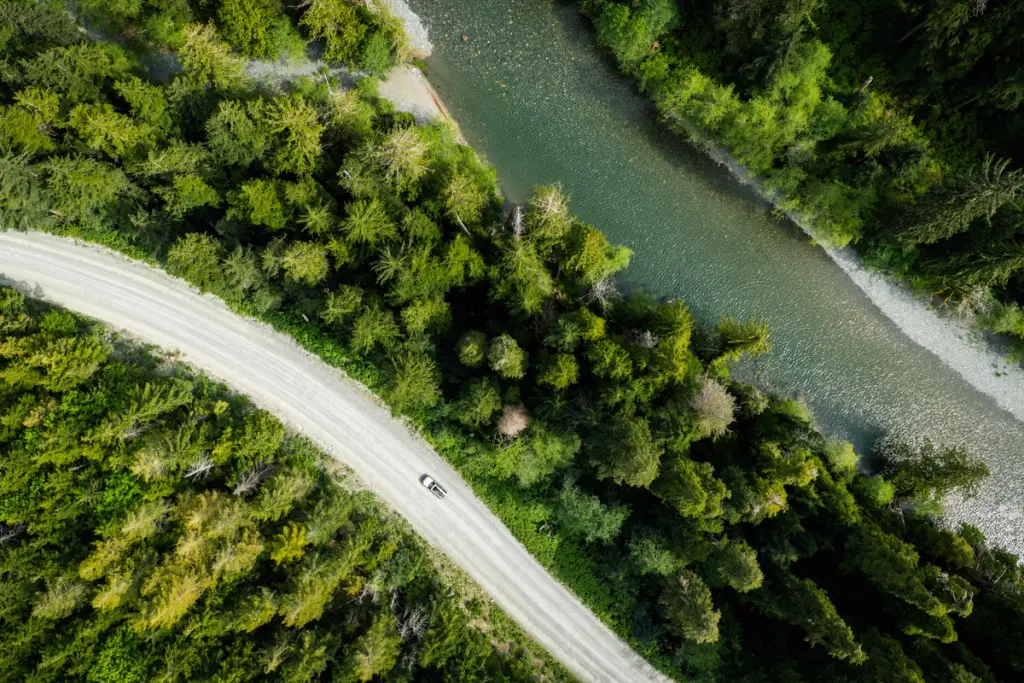
An hour earlier, I had been winding along 66 kilometres of steep and dusty gravel road from Gold River, switchbacks cutting through forest, past lakes, and occasional glimpses of ocean along the Tree to Sea Drive.


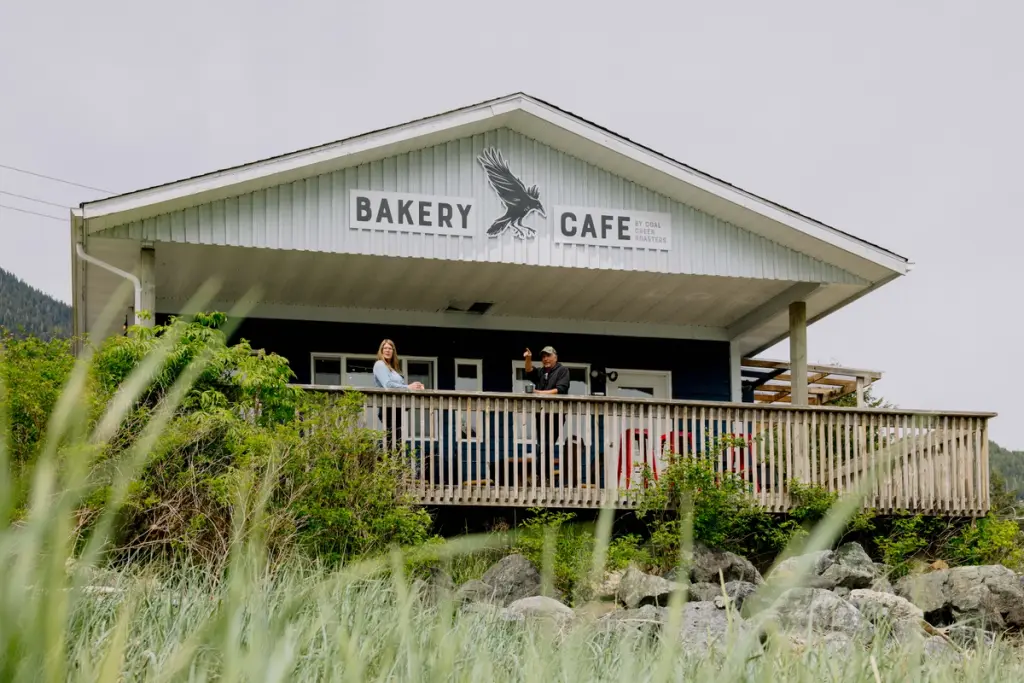
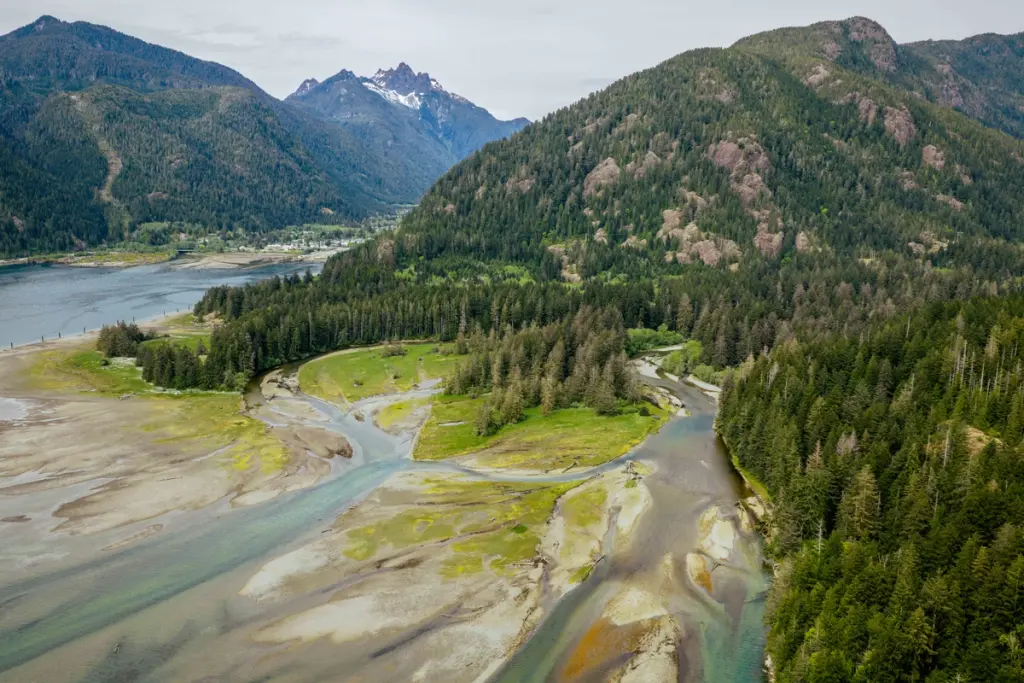
Now, the Tahsis Inlet stretched out beyond the balcony of Coal Creek Roasters, mountain peaks rising straight from the water in every direction, and the silhouettes of black bears feeding along the banks of the estuary in the distance. The view does most of the talking, and the town has the kind of understated charm that makes you want to linger and learn more. Its remoteness is part of what makes the journey in feel worthwhile.

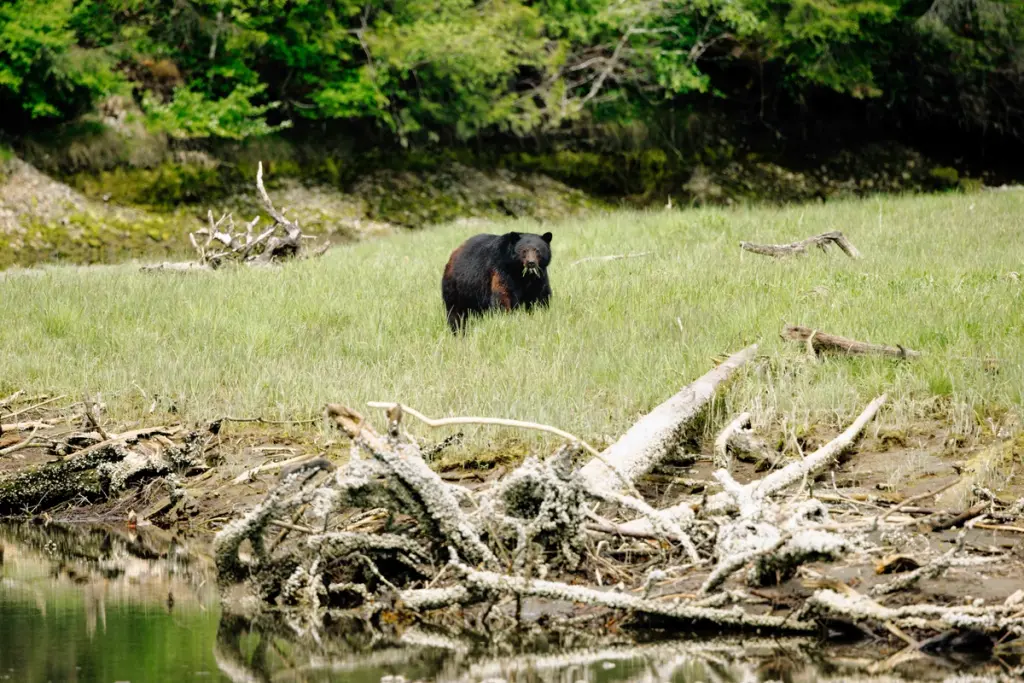
After a few days visiting the Nootka region, the traditional territory of the Mowachaht/Muchalaht First Nation, I realized it’s best defined by access. Out here, getting anywhere requires intention. Roads give way to floatplanes, boats, helicopters, and weather windows. Remote beaches, alpine ridgelines, and coastal communities all share one thing in common: they take time and patience to reach, but it’s worth every minute.
GETTING TO GOLD RIVER / HELI-HIKING ON MATCHLEE MOUNTAIN

Access begins long before arriving in Tahsis. Getting to Gold River, the region’s main hub, means crossing Strathcona Provincial Park via Campbell River. Originally envisioned as British Columbia’s answer to Banff, Strathcona is BC’s oldest provincial park and remains refreshingly undeveloped. The drive alone is worth allocating extra time for, passing massive peaks, lakes, and trailheads leading into some of the province’s most impressive backcountry.
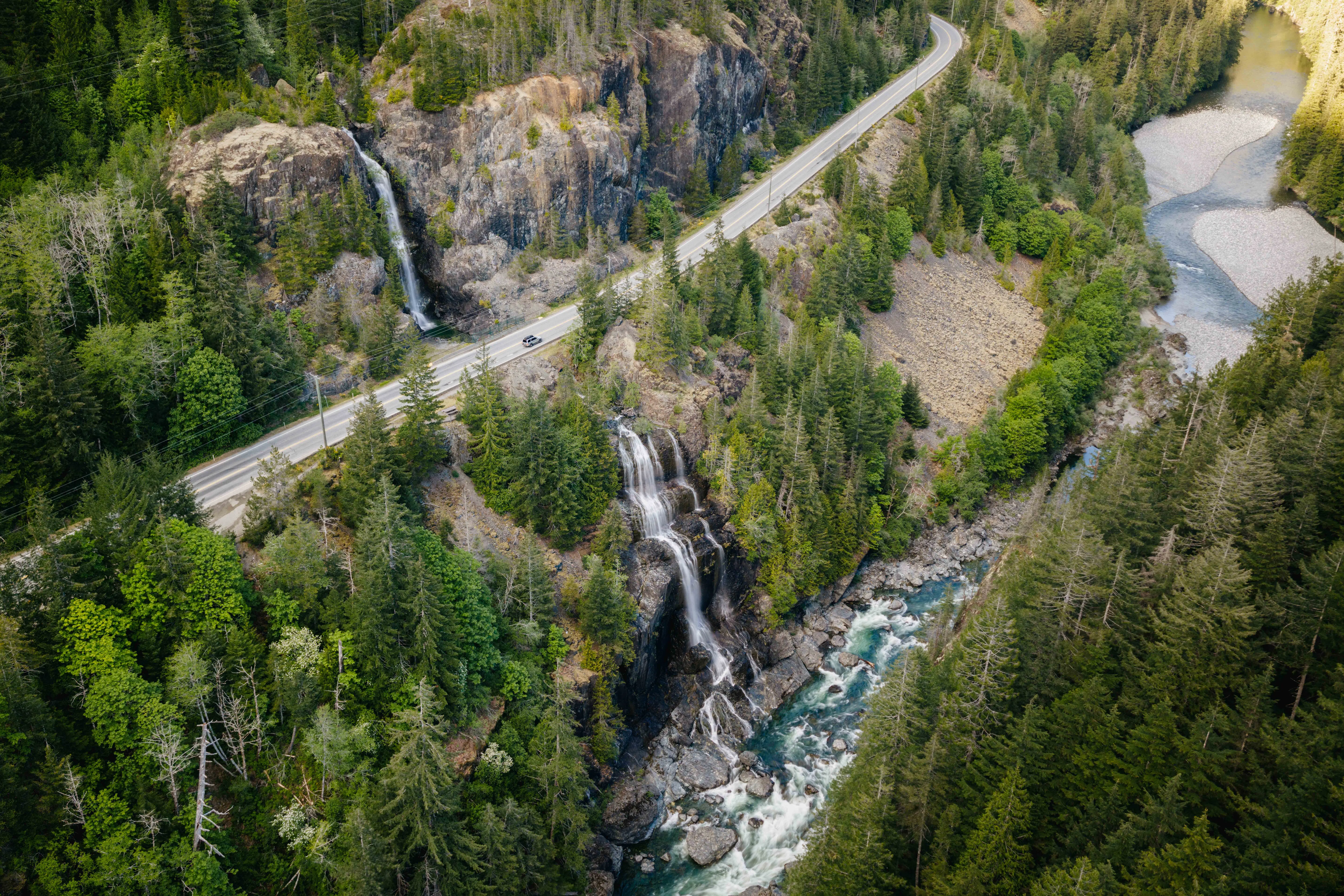
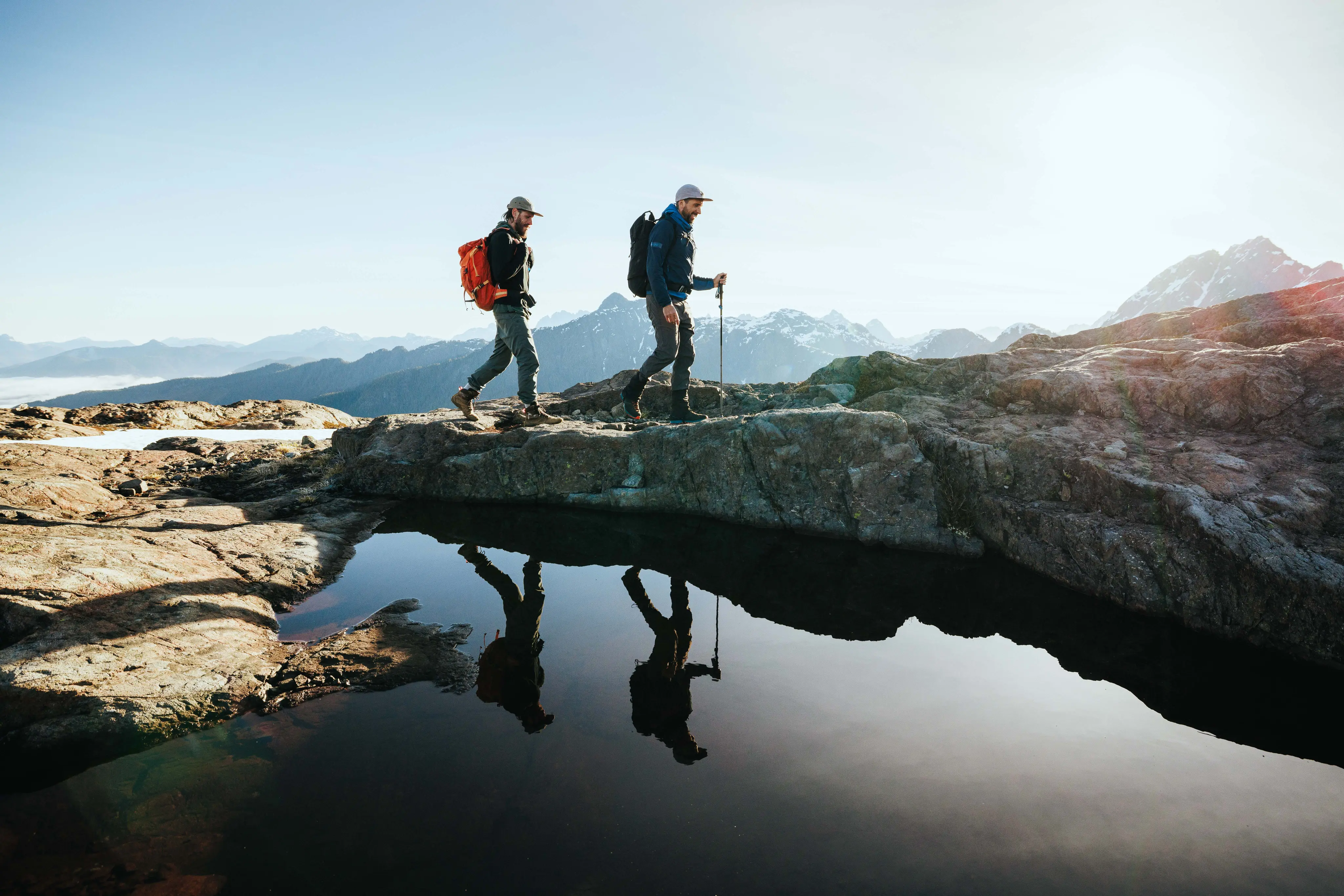
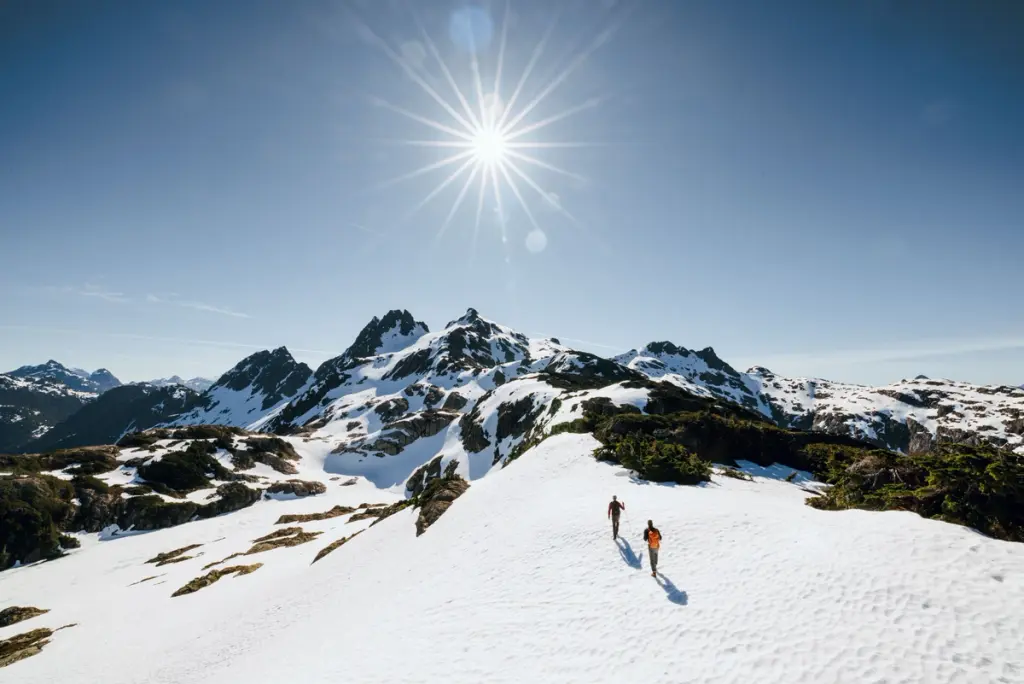
From here, the landscape opens up into endless opportunities for exploration; hiking, biking, diving, fishing, paddling, climbing, caving, camping and much more. For those drawn to the outdoors, it’s hard to be bored. One of the highlights of the trip was a heli-hiking excursion with Island Alpine Guides on Matchlee Mountain. Within minutes, we were above the rainforest and into the alpine, moving along exposed ridgelines and looking out over a sea of peaks that offered a glimpse into the scale of wilderness hidden within this part of Vancouver Island.
FLYING THE MAIL ROUTE

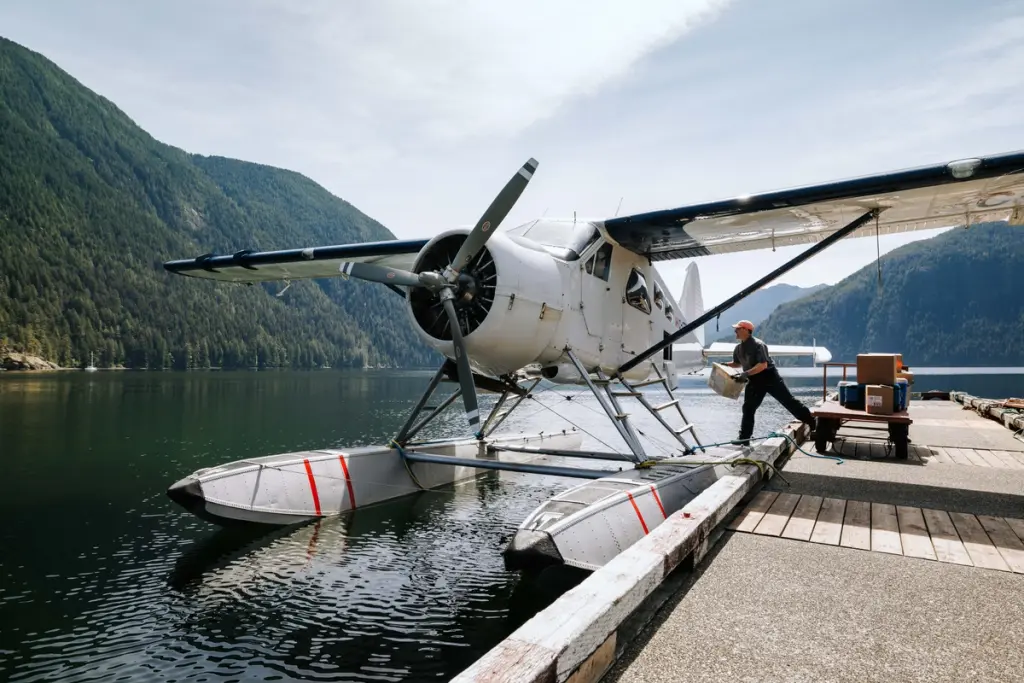
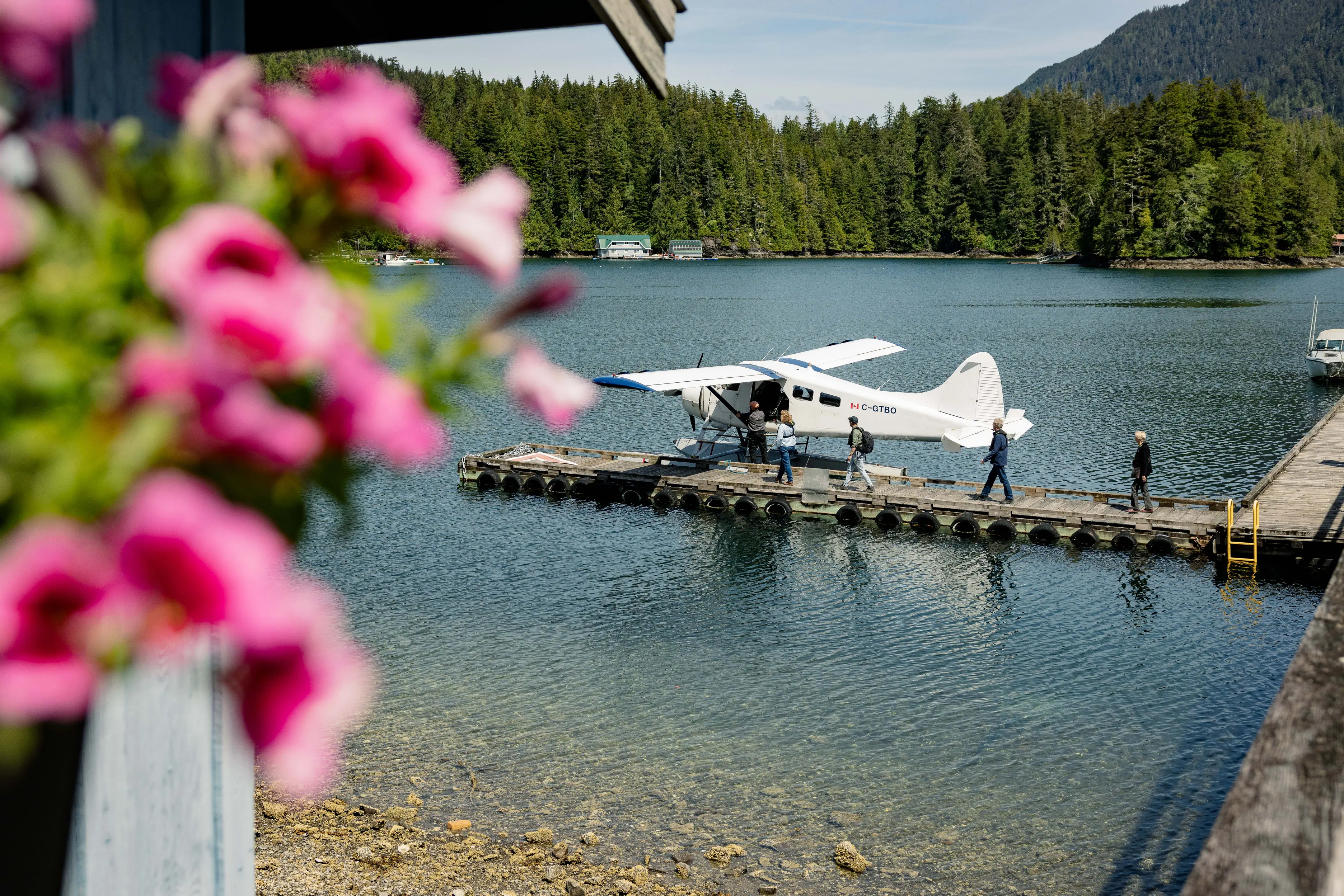
What initially drew me here was one of the region’s most unique experiences: the historic mail run flight operated by Air Nootka. I stepped into the cabin of a de Havilland Beaver alongside packages, groceries, and supplies bound for neighbouring communities. Three times a week, the plane connects places roads don’t reach, offering visitors the rare chance to tag along. What you get out of it is more than a scenic flight. It’s a window into these communities, the people who call them home, and a way of life shaped by the coast.
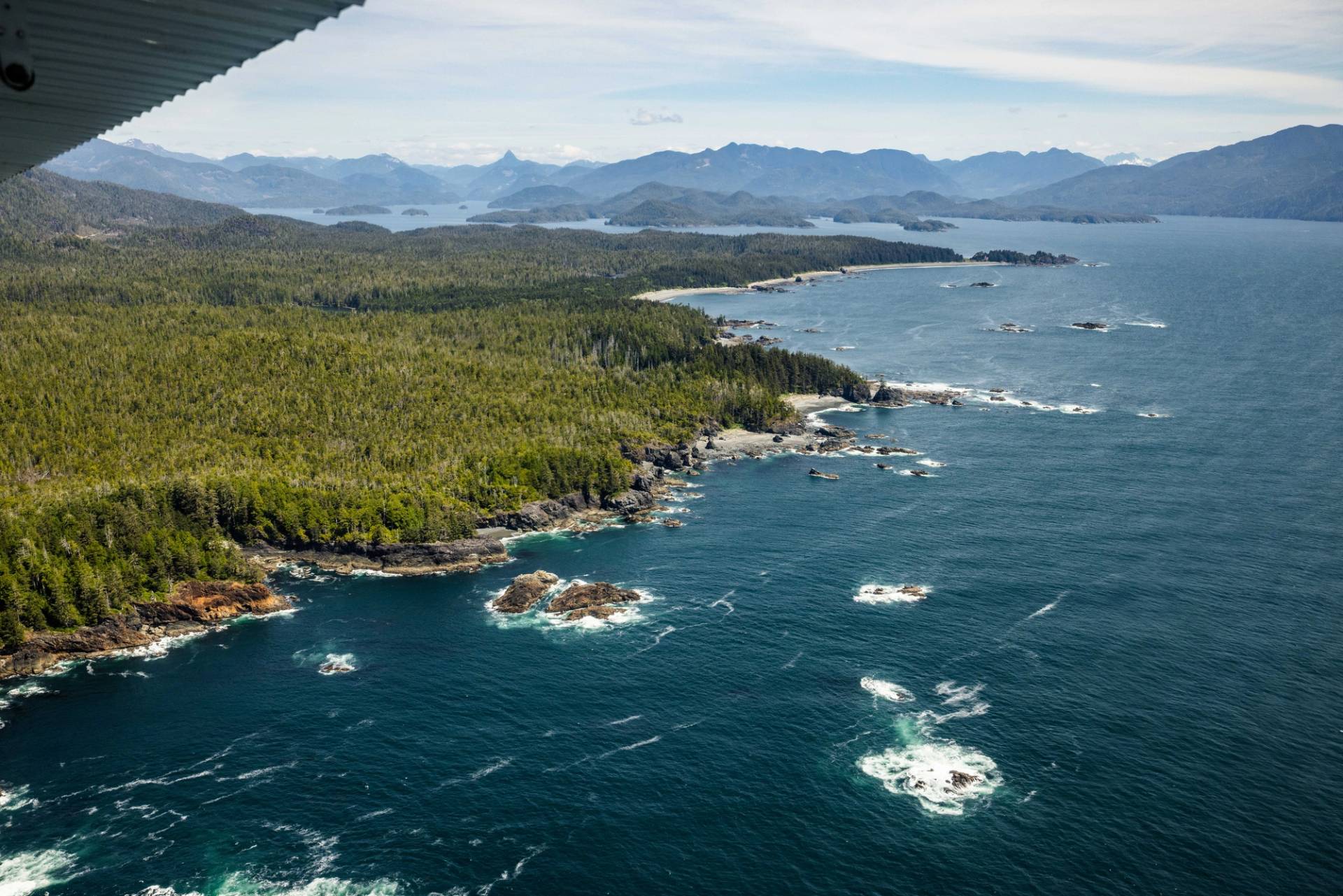
From the air, the scale and diversity of the region become clear. Inlets carve deep into the land, logging roads disappear into mountainsides, and small signs of life appear tucked into otherwise uninhabited stretches of coastline, dotted with beaches that feel almost tropical.
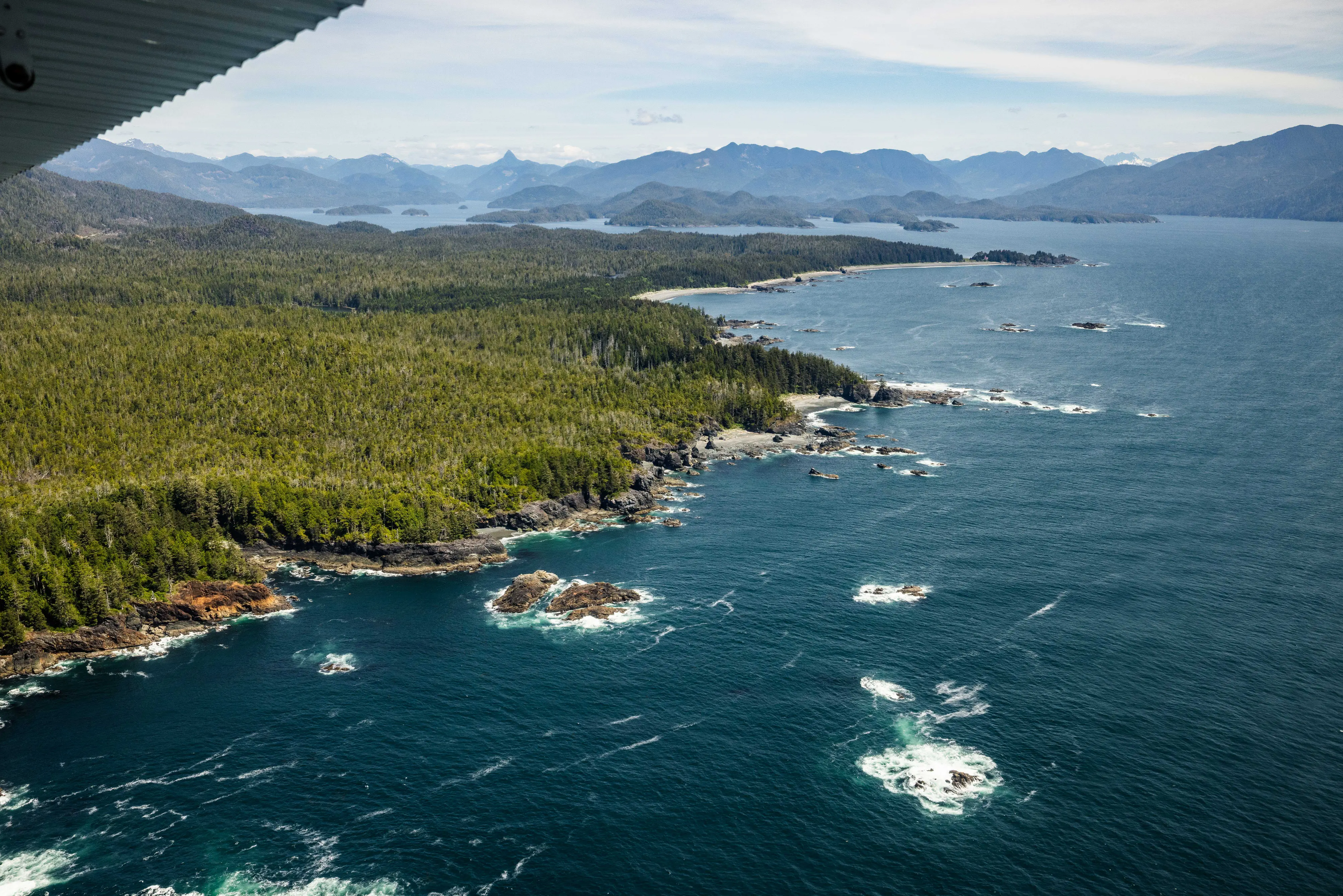
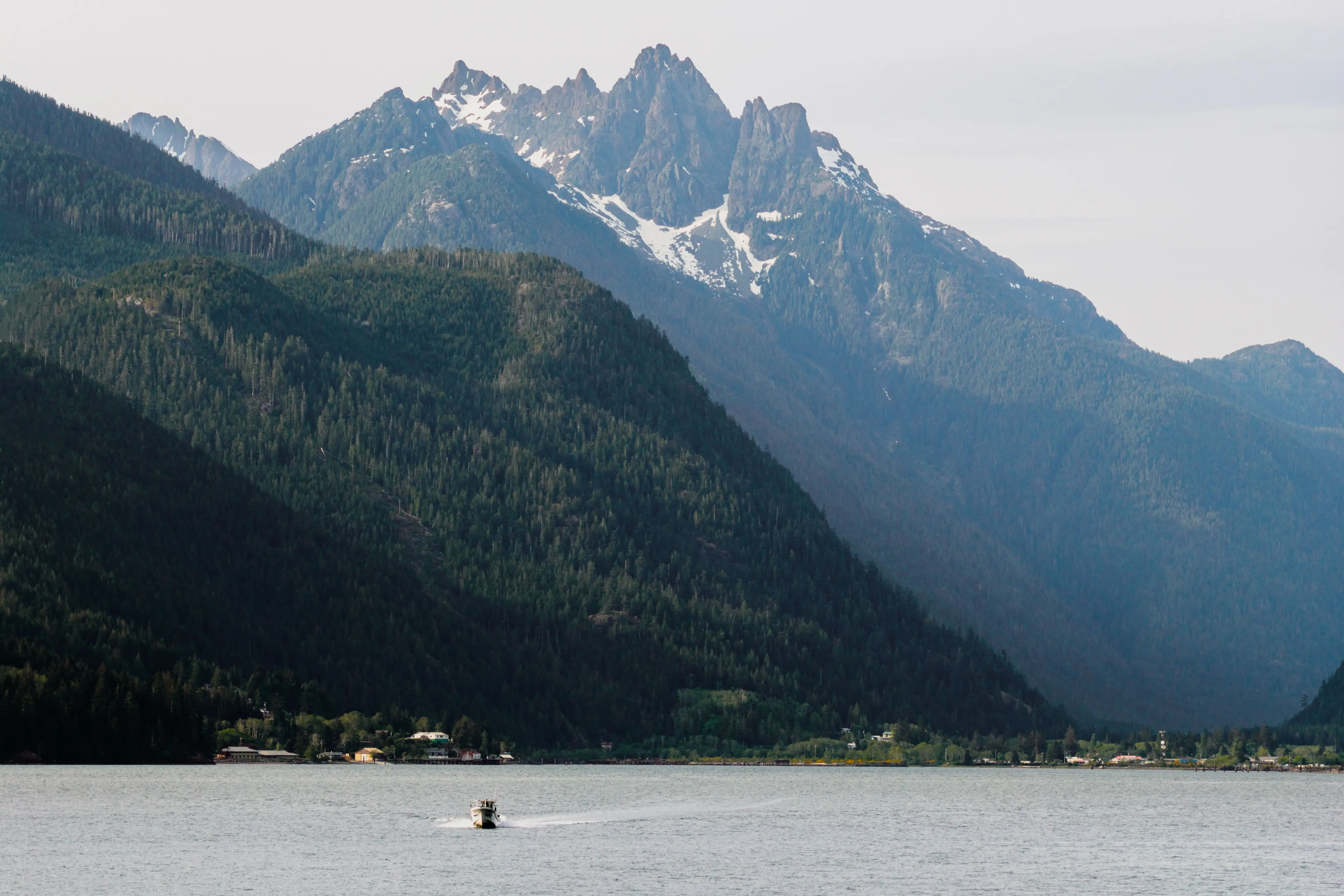
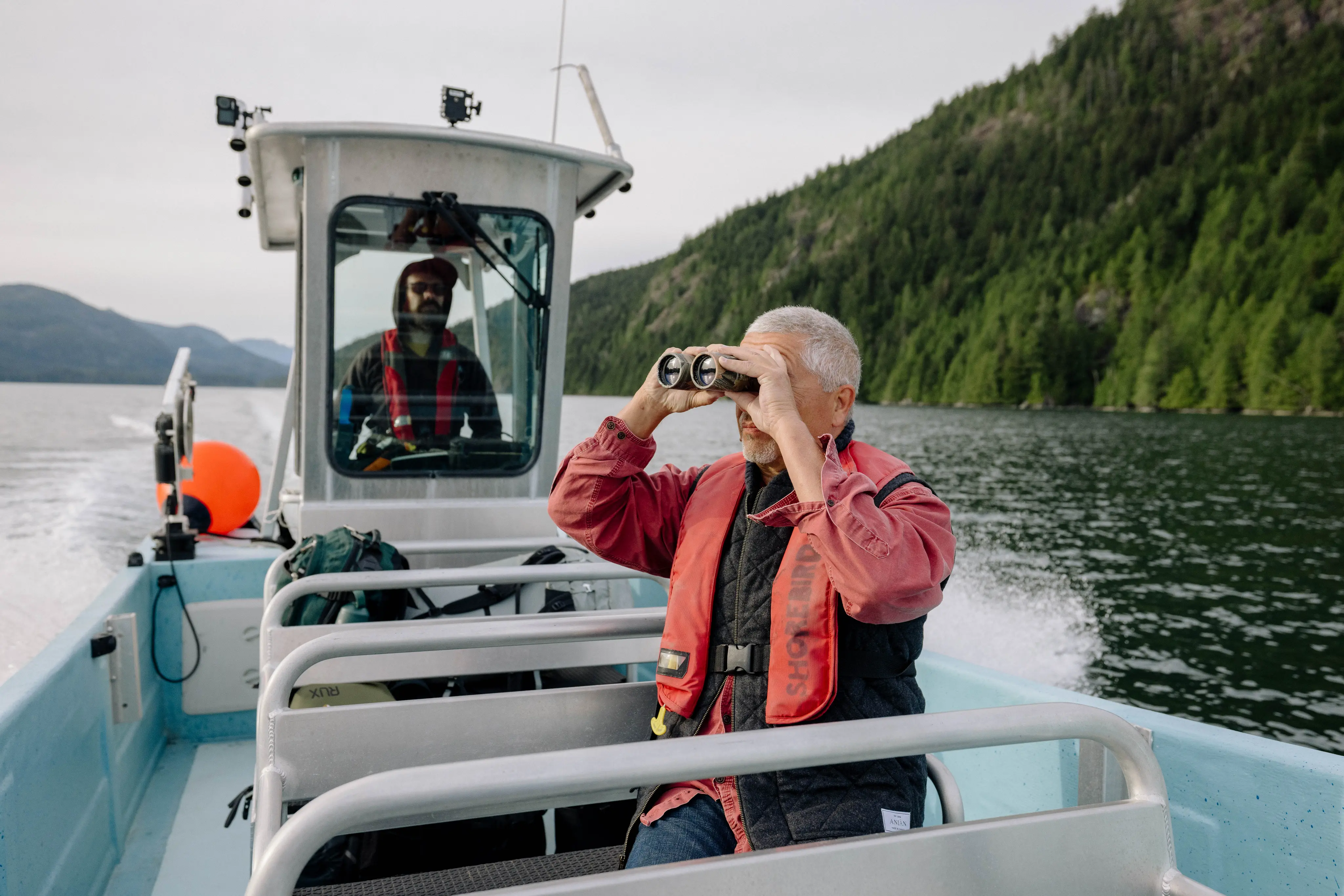
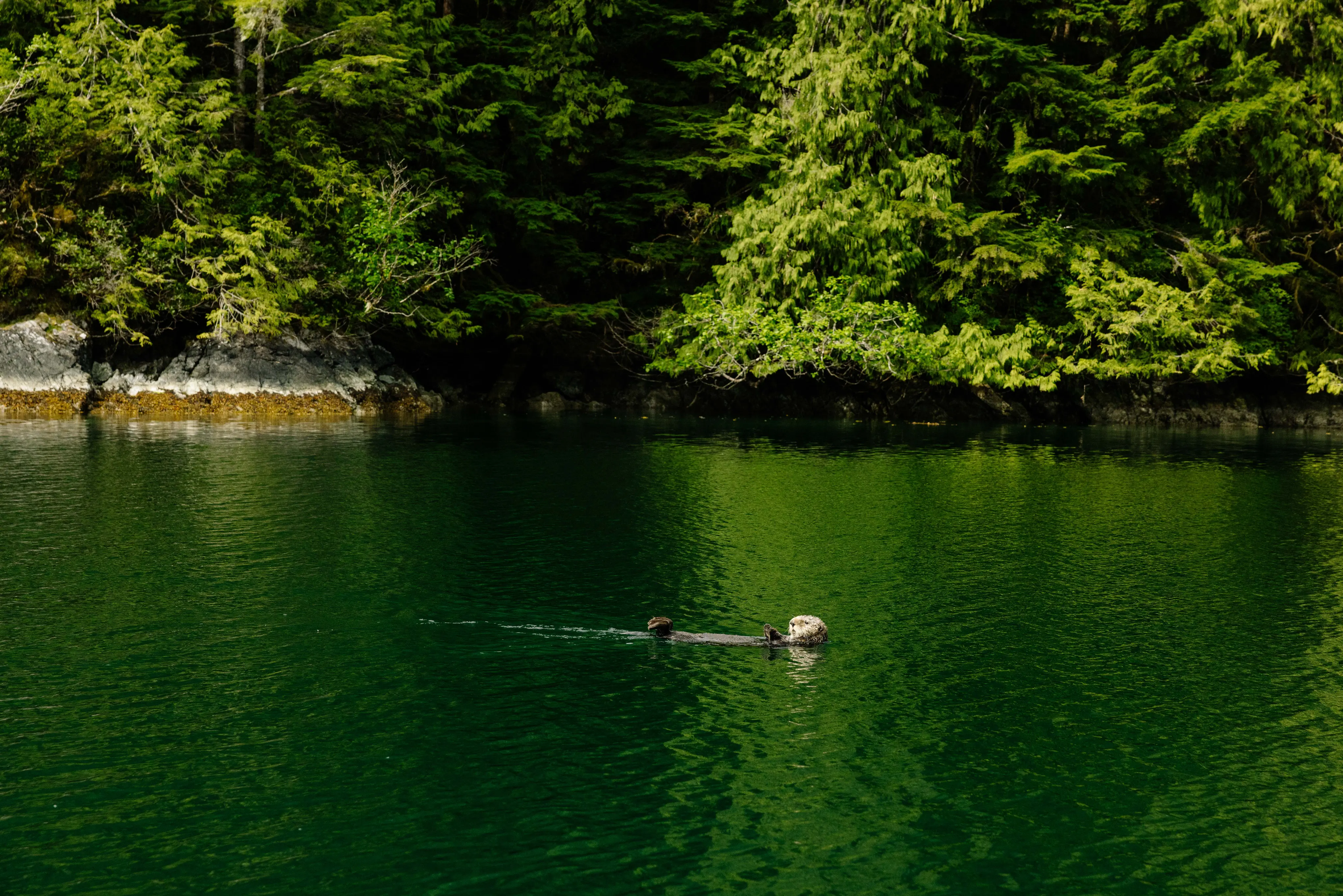
While the aerial perspective reveals the bigger picture, the boat trip to Nootka Island with Shorebird Expeditions brought things back down to sea level. As we made our way west, sea otters floated past so frequently I eventually stopped counting, while Rugged Mountain and the surrounding peaks started to shrink in the distance, giving way to quiet coves, scattered islands, and rolling swells of open ocean.
YUQUOT, A PLACE OF DEEP HISTORY
On the southwestern edge of Nootka Island, Yuquot (also known as Friendly Cove) holds deep historical significance. For generations, it served as an important summer village and political centre for the Nuu-chah-nulth people. It’s also known as the site where Captain James Cook arrived in 1778 and met Chief Maquinna, marking one of the earliest recorded encounters between Europeans and Indigenous peoples on the Northwest Coast. Today, that layered history still feels present, shaped by both Indigenous stewardship and the complexities of colonial contact.
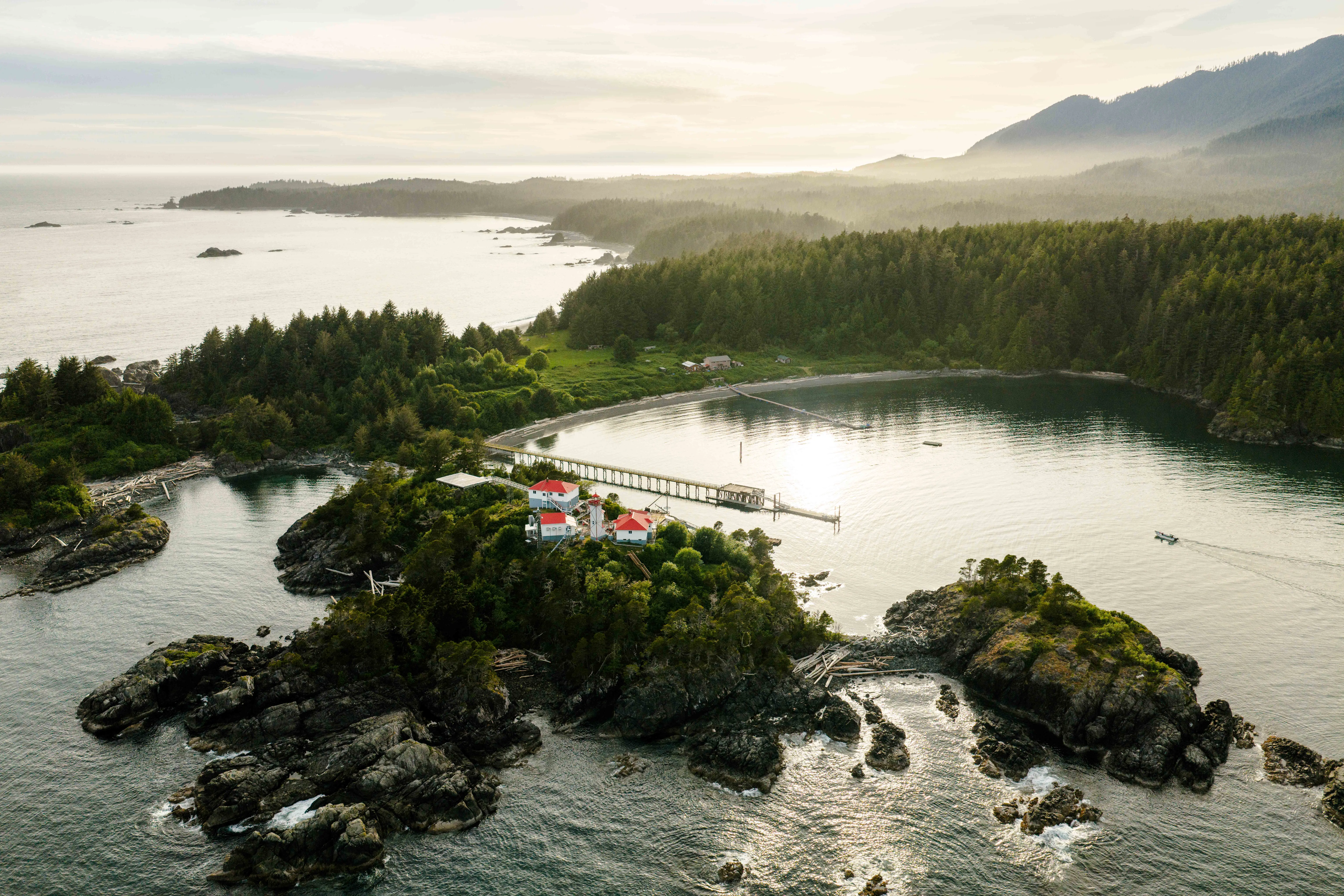

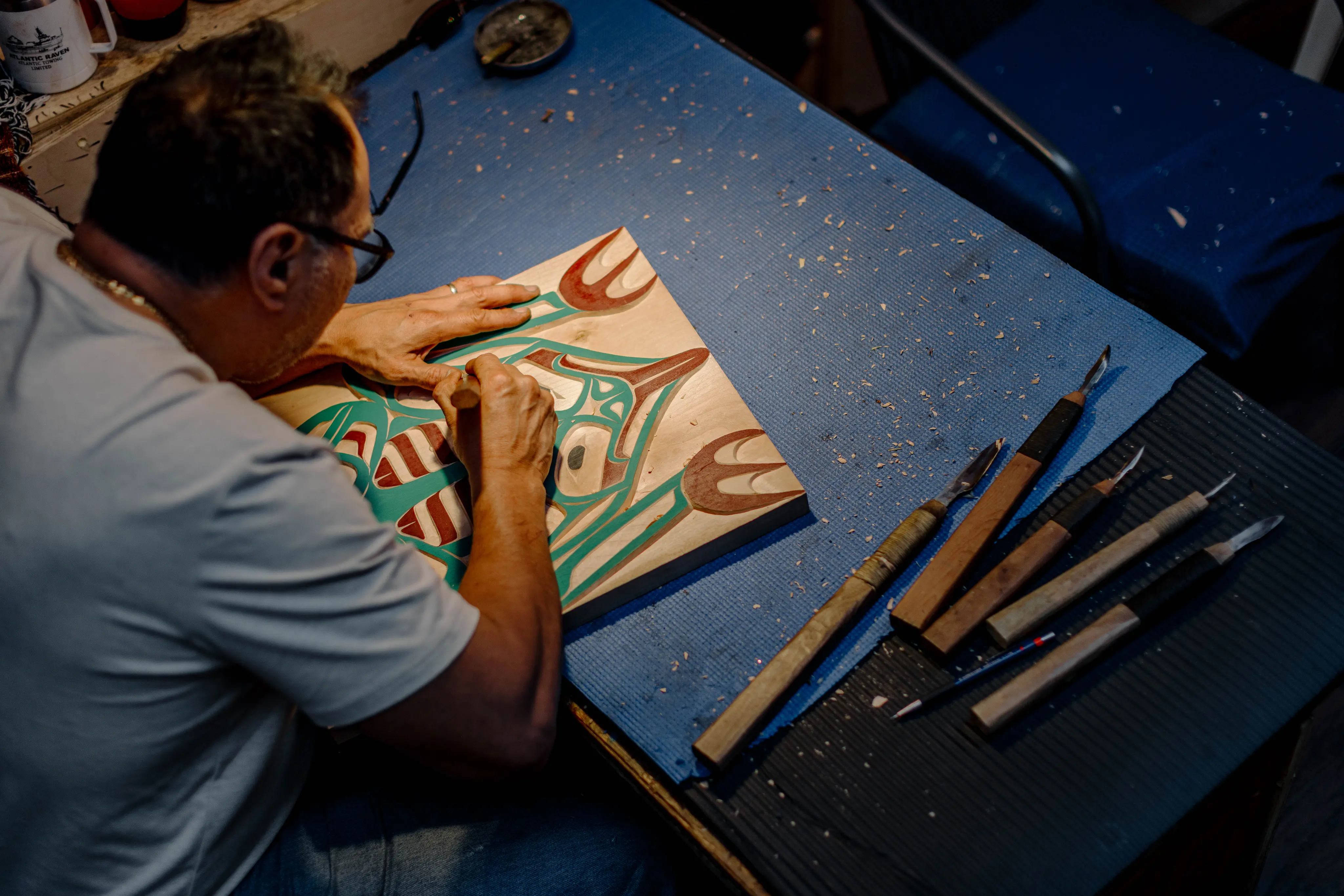
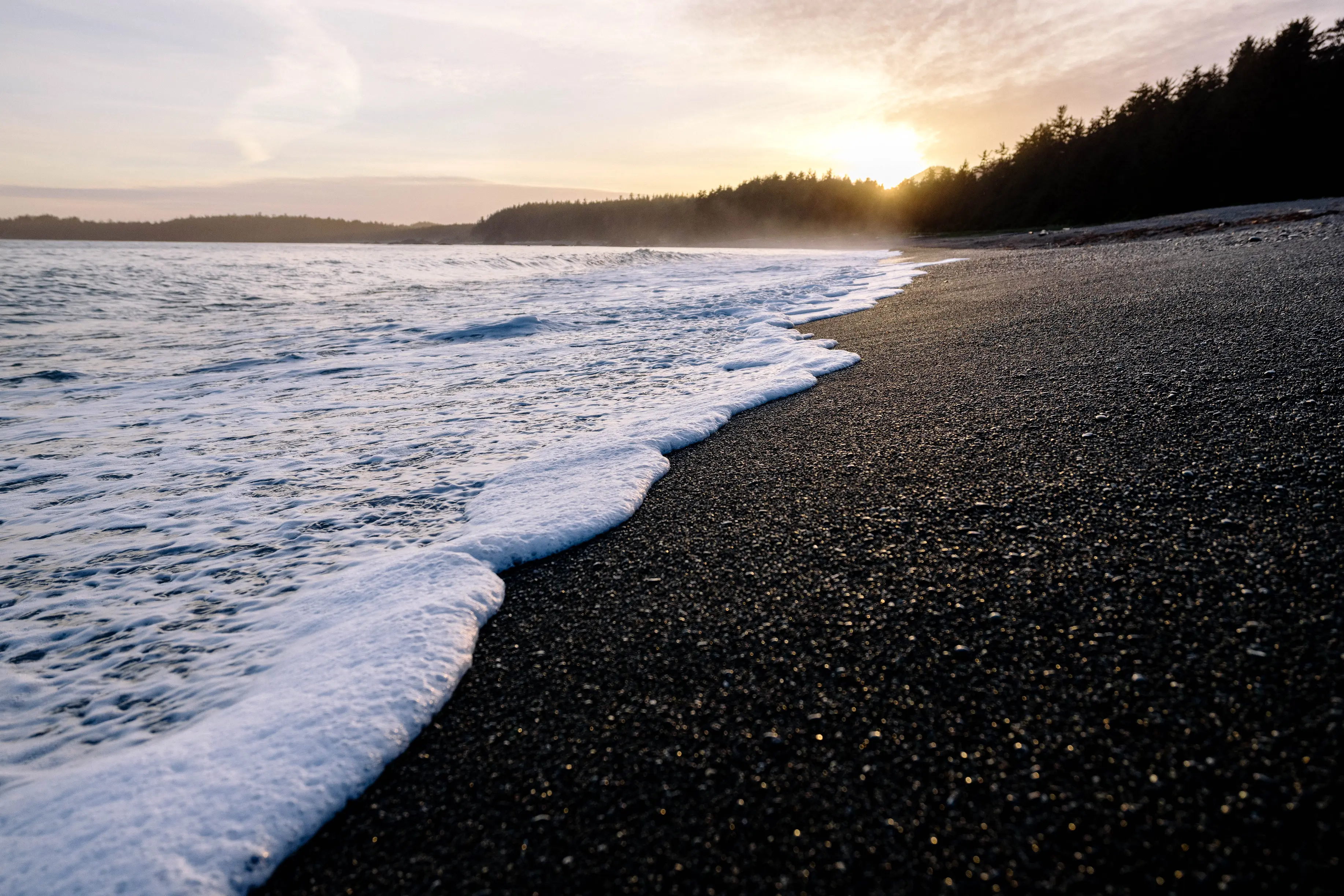
One of the most memorable moments of my overnight stay in Yuquot was meeting MMFN artist and master carver Sanford Williams in his ocean-side studio. Surrounded by works in various stages of completion, with the smell of cedar and a light haze of smoke lingering in the air, he welcomed us with stories and laughter. He was in his element, back on Nootka Island, creating in a place that holds deep meaning, continuing traditions that still shape it today.
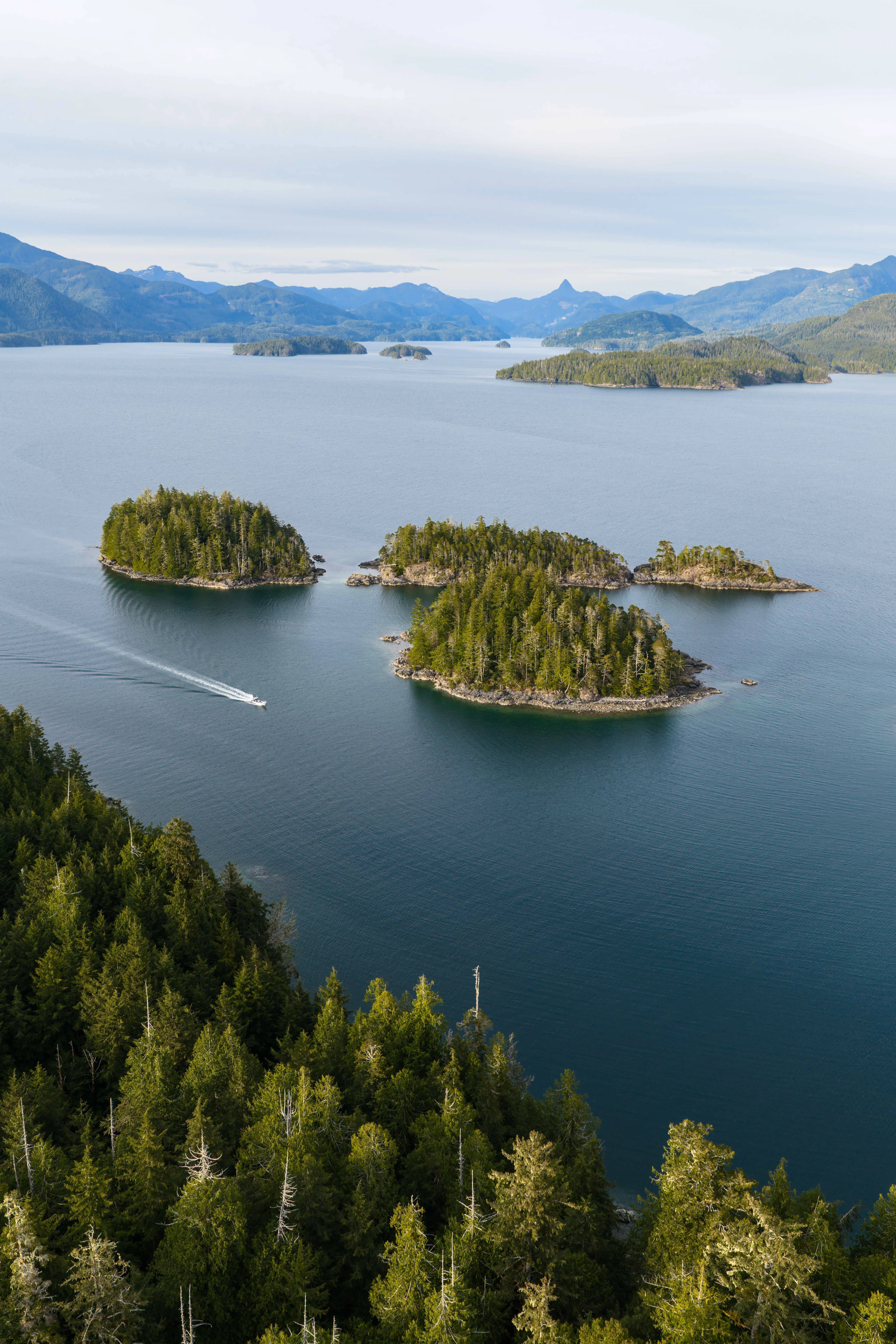
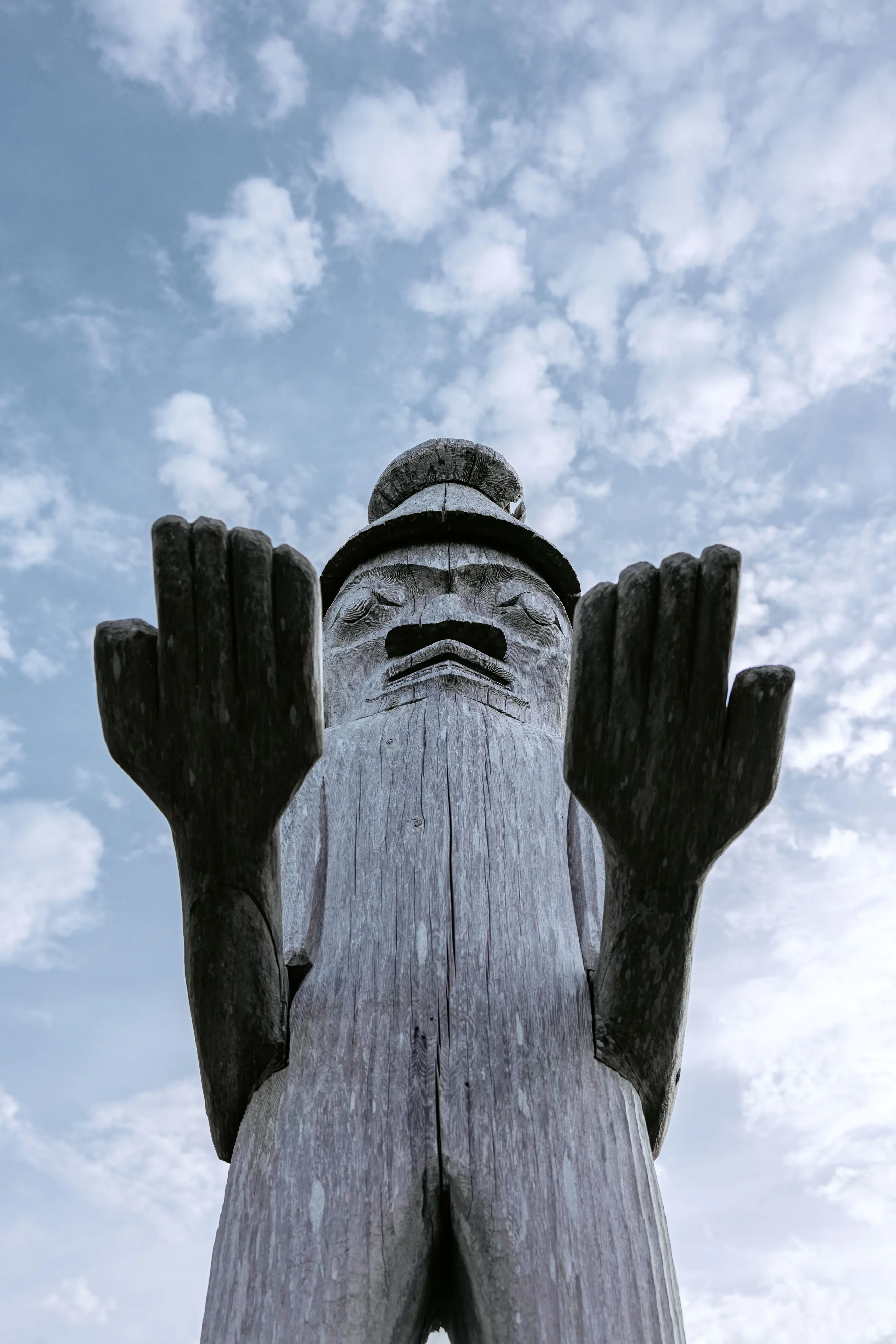
Places like Tahsis and Gold River ask more of you, but that’s the point. The effort it takes to get here slows you down enough to truly appreciate where you are. Beyond the end of the highway, life starts to move to a different rhythm, shaped by weather, water, and the reality that not everything is always easy to reach. It’s a part of Vancouver Island that feels distinct, and deeply rewarding for those willing to take the long way in.
PRACTICAL INFORMATION
- Getting there: Campbell River is the closest airport, with direct flights from Vancouver and Calgary. Tahsis is about a 2.5-hour drive from Campbell River. The final 66 km from Gold River is a gravel road with steep sections and switchbacks. It’s typically passable in most vehicles in good conditions, but driving slowly and cautiously is key.
- Visitor Information: The Explore Nootka welcome centre is slated to be open by mid-summer and will be the best resource to learn more about and book local experiences.
- Accommodation: Baymont by Wyndham Gold River is the newest hotel in the area, with an on-site restaurant and bar. Bookings can be made for the hotel as well as camping on Nootka Island.
- Fuel and supplies: Gold River is the last major and reliable stop for fuel, light groceries, and services before heading to Tahsis.
- Mail run flight (Air Nootka): Operates three times per week between communities in Nootka Sound. Seats are limited and can be booked in advance. It’s a unique way to experience the region beyond typical sightseeing.
- Nootka Island Boat Charter: Shorebird Expeditions, based in Tahsis, offers boat charters and water taxi services throughout Nootka Sound, including remote beach access, wildlife viewing, and kayak transport.
- Heli-hiking: Offered by Island Alpine Guides. Trips are weather-dependent and should be booked ahead of time, especially in peak season. Inquire here about availability.
- Connectivity: Expect limited or no cell service in many areas, especially between Gold River and Tahsis and throughout Nootka Sound.


Taylor Burk
Contributor
Taylor Burk is a BC-based adventure photographer known for capturing breathtaking moments that celebrate Canada’s natural beauty. Taylor specializes in immersive storytelling, blending outdoor exploration with artistic vision. From remote coastlines to towering mountain peaks, his work reflects a deep connection to nature and a passion for inspiring others to explore.