Guides
Plan a Stargazing Trip to These Canadian Dark-Sky Destinations
Some of Canada’s most memorable views take a little patience after sunset. Let your eyes adjust and a properly dark sky begins to reveal its detail. These five destinations offer places to camp, join an astronomy program or settle in for a quiet night of stargazing.
By Vicki Duong
Share
It’s easy to forget how many stars are actually up there when you live in a city.
Get far enough from streetlights and glowing storefronts, and the difference can be dramatic. The Milky Way can come into view, constellations get easier to spot, and, in some parts of Canada, the northern lights may make an appearance too.
Parks Canada lists 13 dark-sky destinations, with other designated areas across the country. You don’t need to know much about astronomy to enjoy them. Mostly, you just need a clear night and a properly dark spot.
GRASSLANDS NATIONAL PARK, SASKATCHEWAN

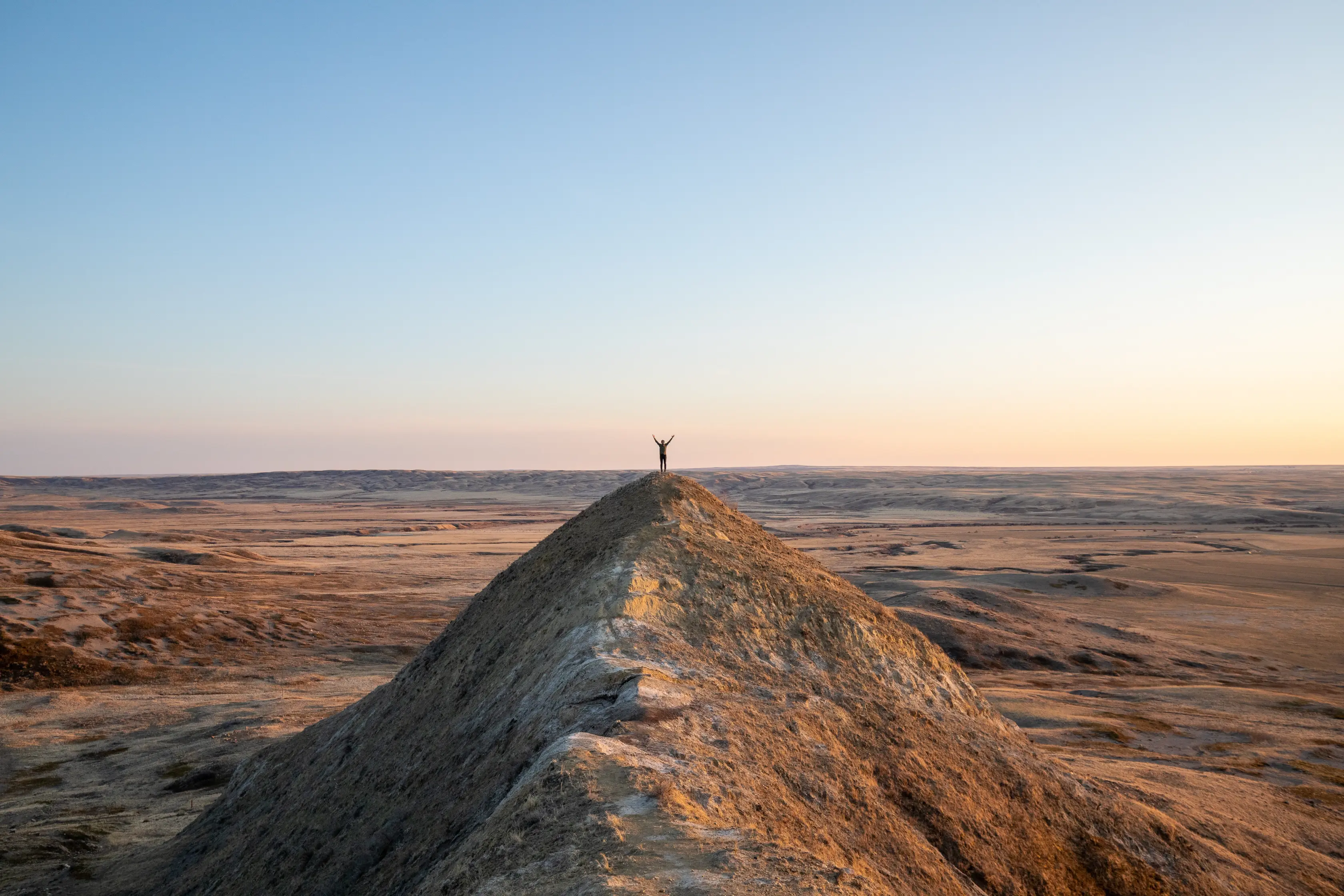

Southern Saskatchewan’s wide-open prairie is good stargazing territory: there’s not much blocking the view.
Grasslands National Park became a Dark-Sky Preserve in 2009 and covers more than 729 square kilometres of prairie and badlands. It’s considered one of Canada’s darkest Dark-Sky Preserves, with little artificial light nearby.
Camping is probably the best way to experience it. Once the sun goes down and the sky gets properly dark, you can stargaze close to camp, then head back to your campsite when you’re ready for bed. During the summer, Parks Canada also runs occasional astronomy programs. Check the current schedule before planning around one.
It’s also worth leaving time for the park during daylight. Grasslands protects one of Canada’s remaining areas of native mixed-grass prairie, so there’s plenty to see before dark, too.
MONT-MÉGANTIC, QUÉBEC

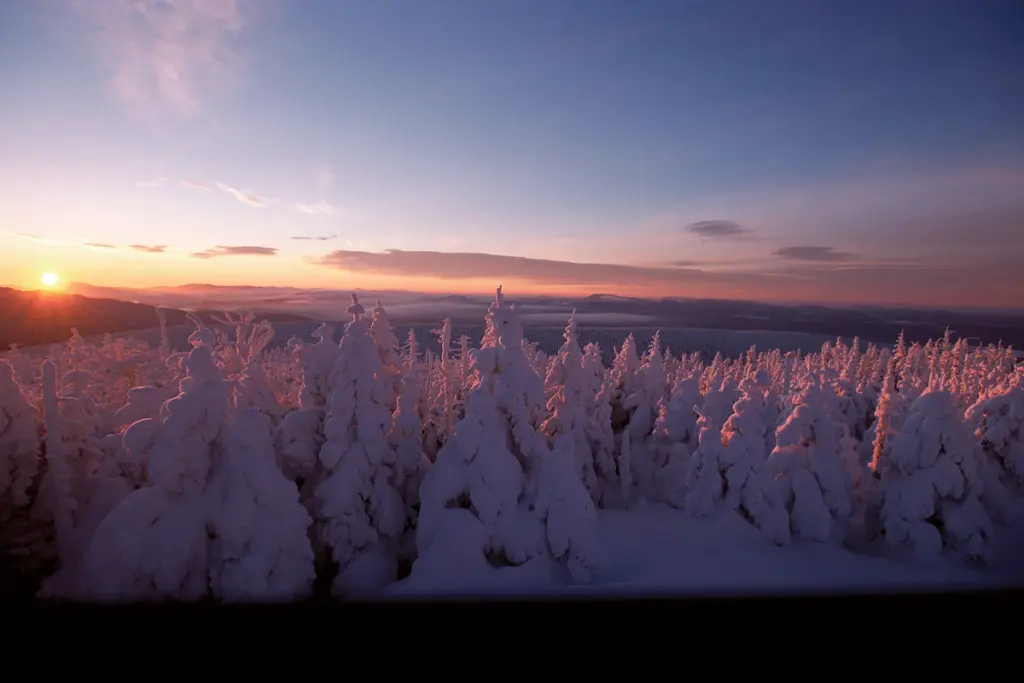
Mont-Mégantic is a good option for anyone who looks at the night sky and immediately has questions.
The Mont-Mégantic region has held International Dark Sky Reserve status since 2007, the first place in the world to receive the designation. Within the reserve, Parc national du Mont-Mégantic is home to the ASTROLab and the Mont-Mégantic Observatory.

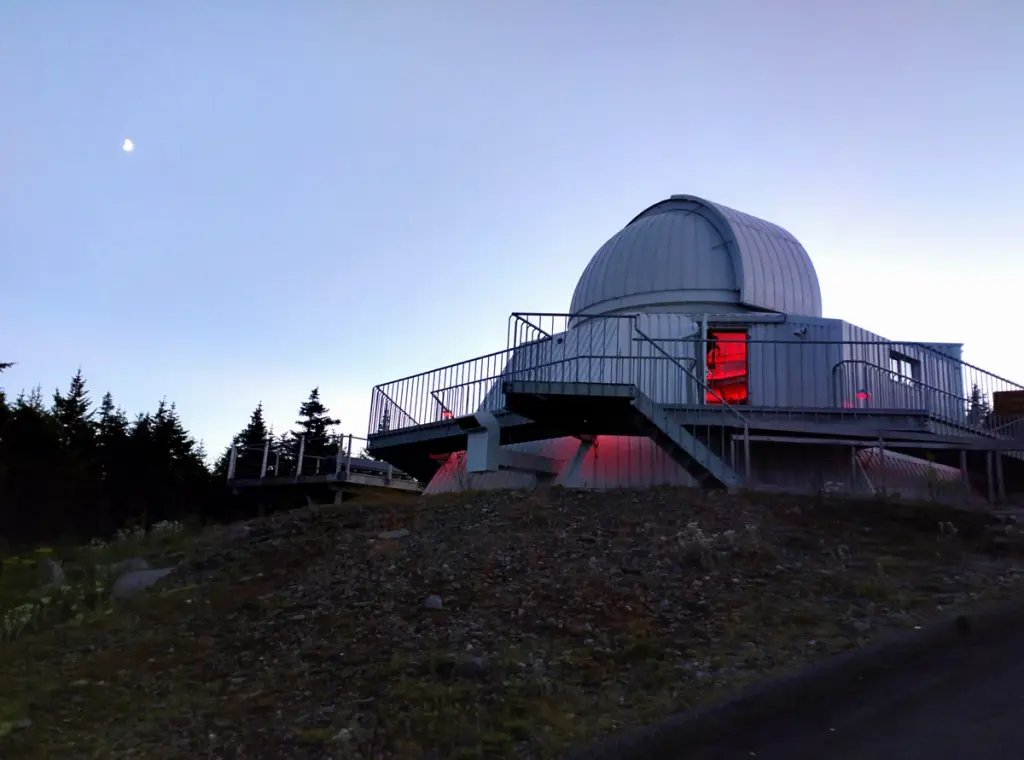
Public astronomy evenings take place at the ASTROLab and the Popular Observatory, where visitors can look through telescopes when the weather permits. The research observatory at the summit is generally reserved for astronomers at night, although visitors can tour it during the day. On select nights during the annual Festival d’astronomie, visitors can also look through its 1.6-metre telescope, weather permitting. Check schedules and book ahead.
Plenty of hiking trails run through the park, so it’s easy to spend the day outside before turning your attention to what’s overhead.
WOOD BUFFALO NATIONAL PARK, ALBERTA AND NORTHWEST TERRITORIES
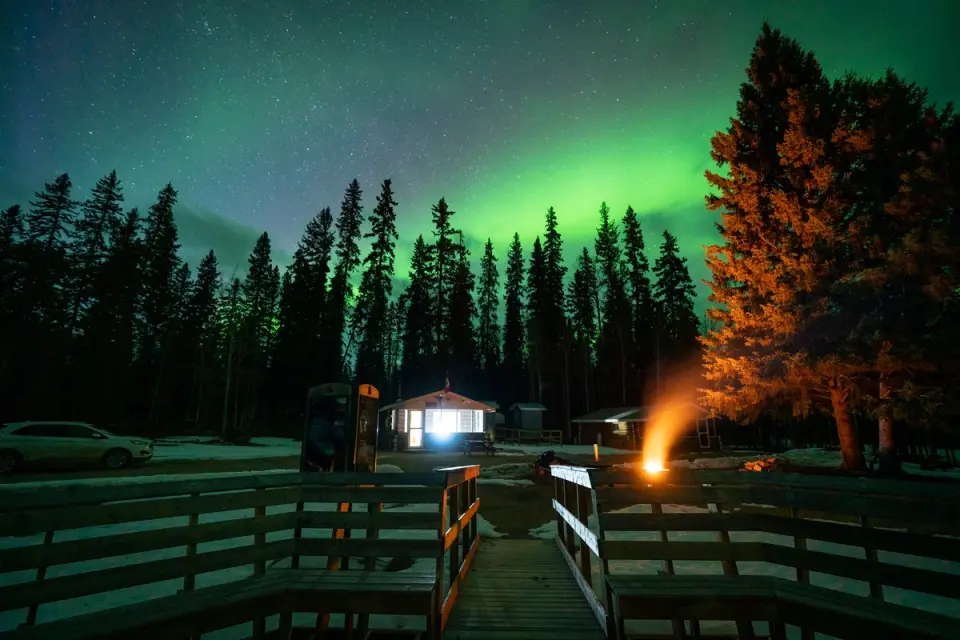
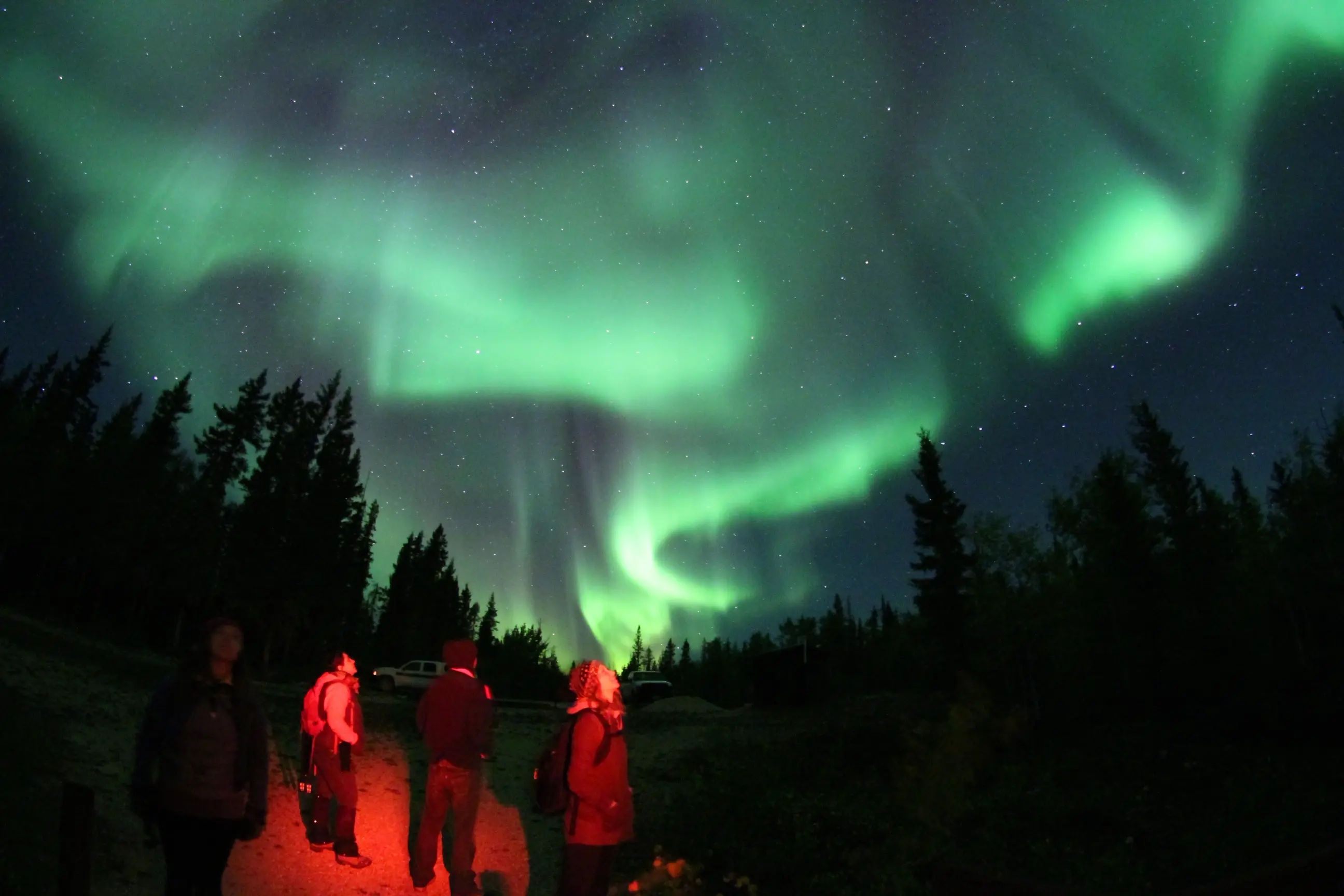
Wood Buffalo National Park is huge. At more than 44,000 square kilometres, it’s Canada’s largest national park and home to the world’s largest Dark-Sky Preserve.
Being this far north also means you may see the northern lights. August and September are particularly appealing if you don’t want to deal with the coldest temperatures, since nights get longer but evenings can still be relatively mild. Autumn and winter bring longer nights, though clear skies are always dependent on the weather. From May to July, the limited darkness makes stargazing more difficult.
Pine Lake’s Dark Sky Circle has benches designed for looking upwards, while Salt River Day Use Area is another stargazing spot recommended by Parks Canada.
Wood Buffalo takes more effort to reach than some of the other places on this list, particularly if you’re coming from southern Canada. If you’re going to travel somewhere specifically to see a dark sky, the world’s largest Dark-Sky Preserve is a pretty solid place to do it.
JASPER NATIONAL PARK, ALBERTA
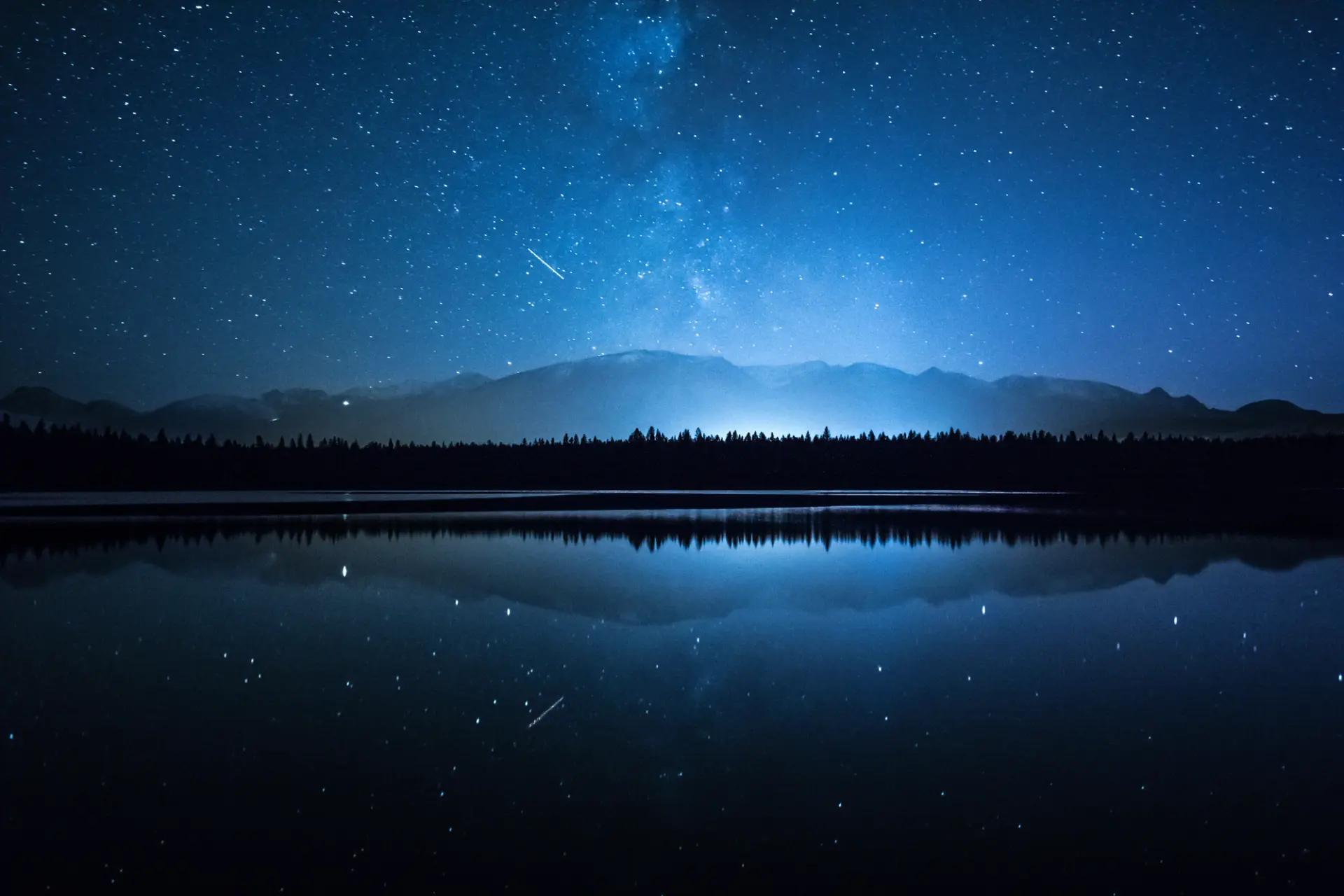
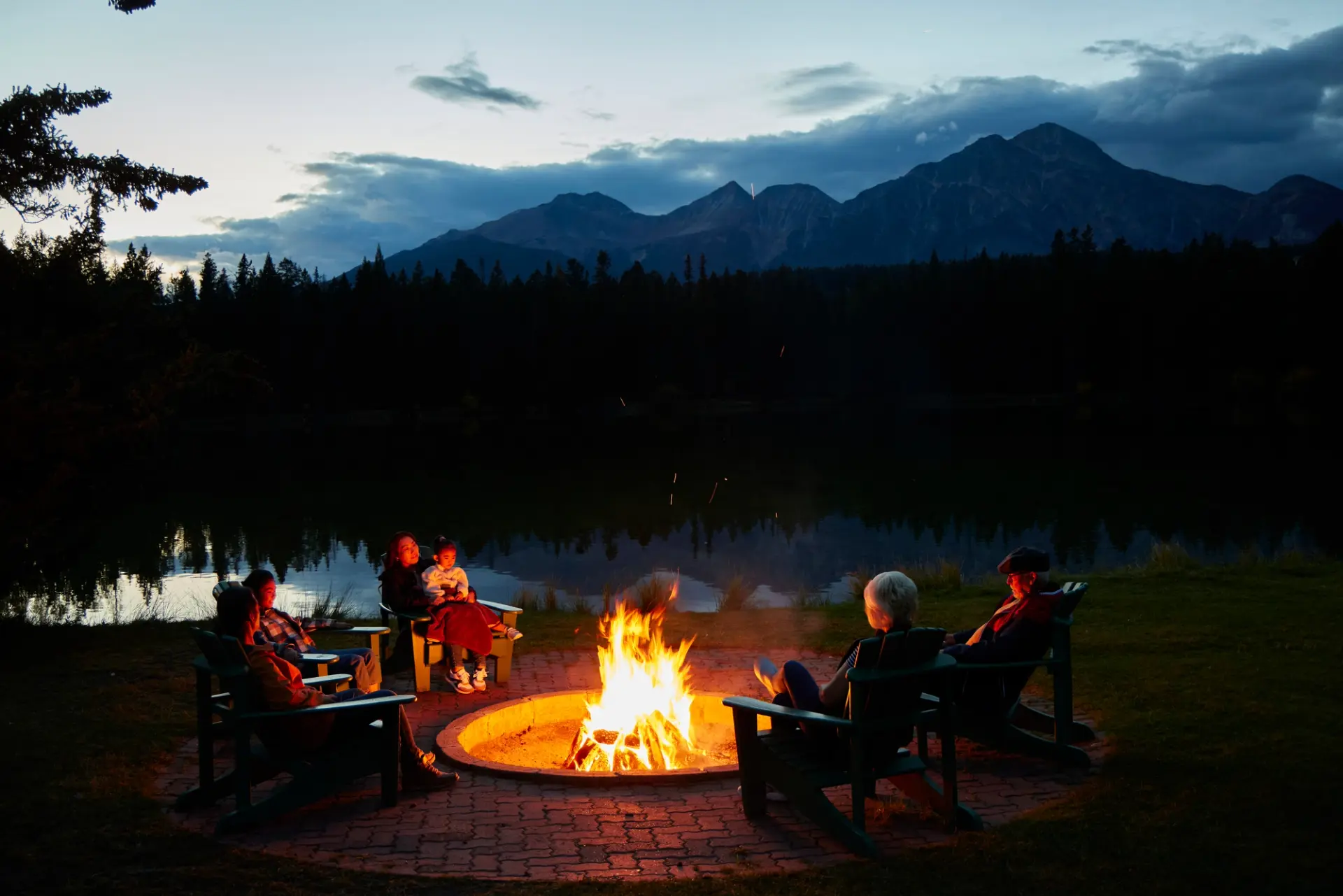
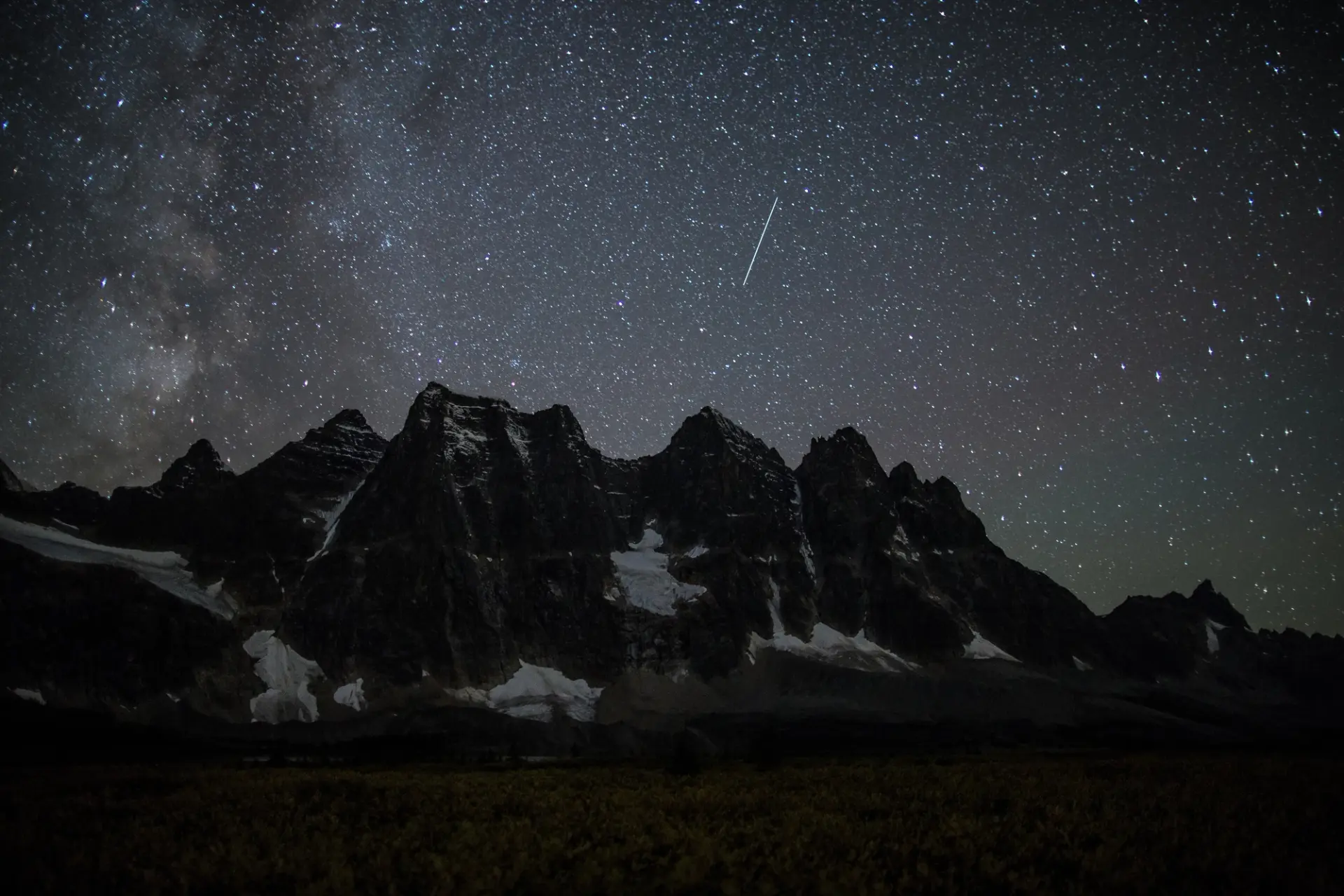
Jasper is one of Canada’s best-known stargazing destinations. The national park became a Dark-Sky Preserve in 2011 and, at more than 11,000 square kilometres, is the world’s second-largest.
You can stargaze year-round, although October brings the annual Jasper Dark Sky Festival, with astronomy events, night photography, science programming and Indigenous storytelling. Outside festival season, spending time in a dark viewing spot after nightfall can be enough to see why Jasper has earned its reputation. Check what’s open in the park before choosing your spot, as some areas remain affected by the 2024 wildfire.
KEJIMKUJIK NATIONAL PARK AND NATIONAL HISTORIC SITE, NOVA SCOTIA
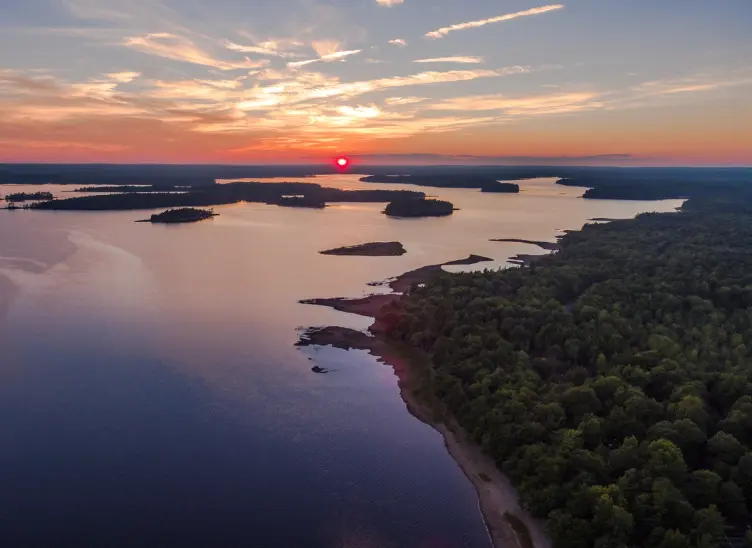
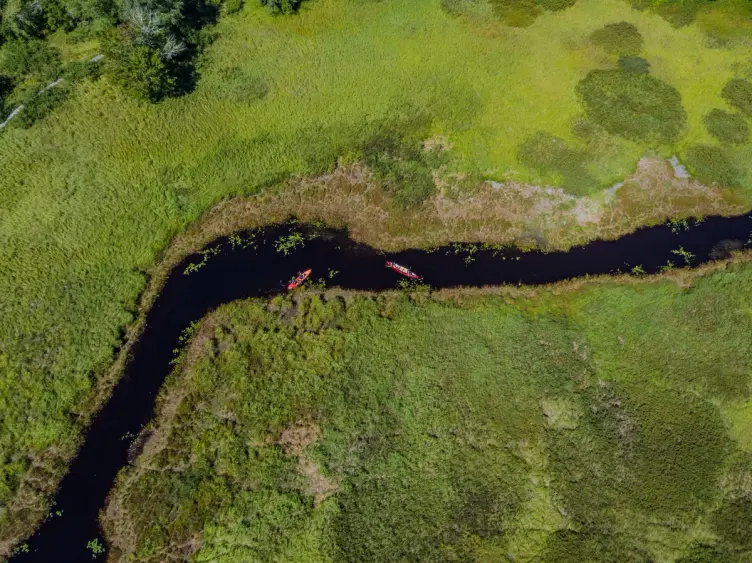
Kejimkujik is Nova Scotia’s only Dark-Sky Preserve and a good place to add stargazing to a longer camping trip.
The park and national historic site is known for paddling, hiking and its connections to Mi’kmaw culture, but plenty is happening once the sun goes down, too. Parks Canada offers seasonal evening dark-sky programming, and visitors can rent kits with binoculars, stargazing references, a star finder and a red light if they want to explore on their own. Kit rentals are listed for June to October, subject to availability.
Places to look up around the park include the Sky Circle and Merrymakedge. With frontcountry campsites, backcountry camping and roofed accommodations available seasonally, you can stay overnight in the park. Check where your accommodation sits in relation to your chosen viewing spot, as you may still need to walk or drive between them.
BEFORE YOU GO
Before you head out, check the forecast and take a quick look at the moon phase. Clouds are the obvious dealbreaker, but a bright full moon can also drown out some of the fainter stars. If the Milky Way is what you’re after, a night closer to a new moon is usually your best bet. Check park opening hours, road conditions and seasonal services as well.
Once you’re outside, give your eyes about 20 to 30 minutes to adjust. Try not to keep checking your phone, and if you’re bringing a flashlight, use a dim red light to help preserve your night vision. Beyond that, you really don’t need much gear. A blanket, an extra layer and somewhere dark will get you pretty far.


Vicki Duong
Contributor
Vicki Duong is a Vancouver-based writer with a passion for travel, lifestyle, and culture. Whether she's uncovering hidden gems in her own city or exploring destinations beyond, she brings a fresh and insightful perspective to her work. Vicki has written for the Georgia Straight, National Post, Montreal Gazette, Montecristo Magazine, VITA Daily, and many more.