On the west coast of Vancouver Island, a journey through Nuu-chah-nulth territory is shaped by the stories, knowledge and traditions of the Mowachaht/Muchalaht people who have called these lands and waters home for generations.
Share
This feature is presented in partnership with Explore Nootka. The people, activities and locations described were experienced in person by a Go Canada team and the words and pictures below reflect our experiences in Mowachaht/Muchalaht territory. All photos taken by Jenna Mancini.

“When I go home, I feel our ancestors.”
For Shirley Johnson, that place is Yuquot.
She was born there, where Nootka Island reaches into the open Pacific and the Mowachaht have made their home for millennia. Though her family left when she was young, Yuquot was never simply somewhere she had lived. It remained a place of return—of family, memory and a connection stretching far beyond her own lifetime.
“You feel like a weight has been lifted off your shoulders,” she says.

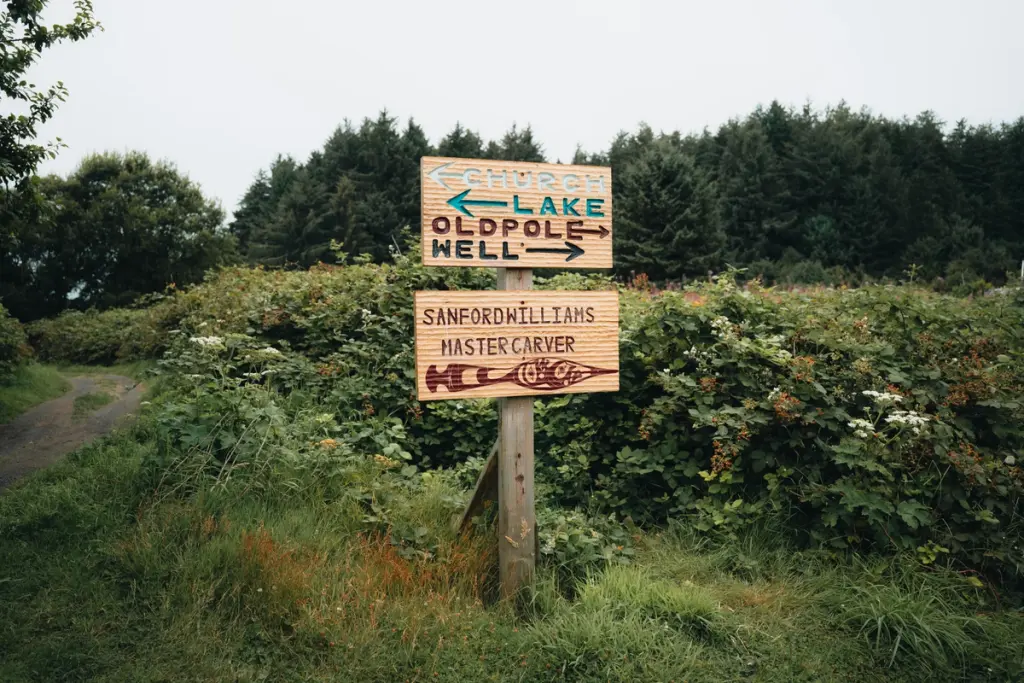
That connection to place extends far beyond Yuquot. Across Mowachaht/Muchalaht territory, the names of villages, rivers and waterways hold histories of their own, while cultural knowledge continues to live through the people who call them home.
Over three days in the territory, those connections began to shape the way we understood this part of Nuu-chah-nulth territory. History here was not confined to the past. It surfaced in conversations, in knowledge passed between generations and in places whose meaning deepened the longer we spent in them.
Yuquot, in many ways, brought those threads together.
Its name means “where the winds blow from many directions,” fitting for a place that has long existed at a confluence: of land and ocean, family and ceremony, movement and exchange. For countless generations, it was a centre of Mowachaht life and part of a vast network of trade connecting peoples along the Pacific coast.
And yet, beyond the Nation, Yuquot is often known for a much shorter chapter in its history.

When European ships began arriving in the late 18th century, they entered a place with an ancient and sophisticated culture, established systems of trade and generations of knowledge tied to the surrounding lands and waters. British explorer James Cook arrived in 1778, followed by growing British, Spanish and other foreign interests drawn to the maritime fur trade. Their competing claims would eventually lead to the international dispute known as the Nootka Crisis.
Those few decades came to occupy an outsized place in written accounts of Yuquot, often framing its significance through the ambitions of European powers rather than the people whose home it already was.
But that history is only a fraction of Yuquot’s story.
The Mowachaht/Muchalaht story began long before European ships appeared on the horizon. It endured the profound changes their arrival would bring, and it continues in the people living here today.
TSAXANA: “A PLACE CLOSE TO THE RIVER”
Our journey began in Tsaxana, whose name translates to “a place close to the river.”
Nearby Gold River is relatively young. Built in the 1960s around the region’s pulp and paper industry, the community grew alongside forestry before the mill eventually closed in 1999. Tourism has since become an increasingly important part of the local economy, helped by a location surrounded by mountains, lakes, rivers and the waterways leading into Nootka Sound.
We checked into the recently opened Baymont by Wyndham, a new home base for visitors exploring the region. Next door, another project is taking shape: a Welcome Centre that will help connect travellers with experiences throughout Mowachaht/Muchalaht territory.
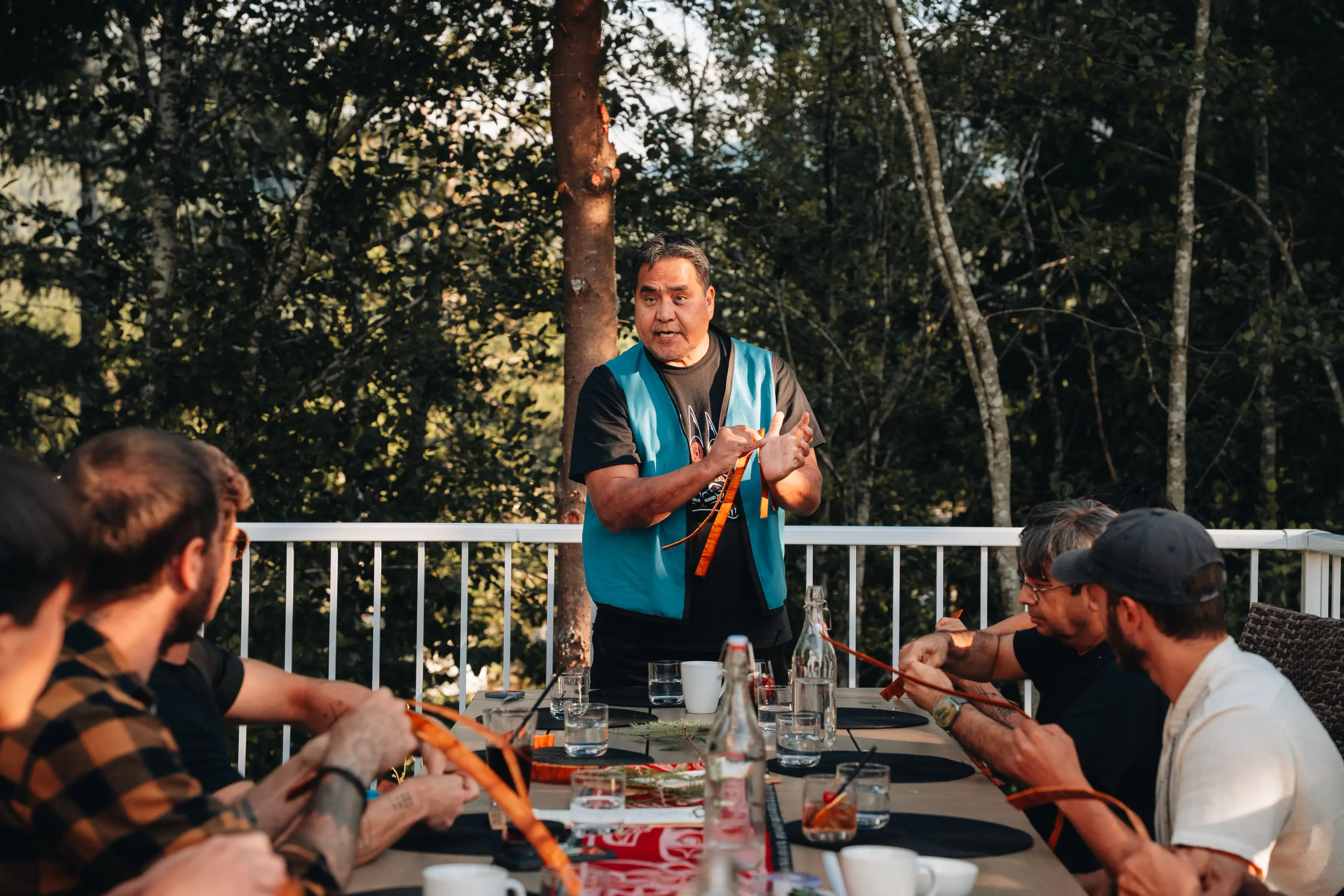
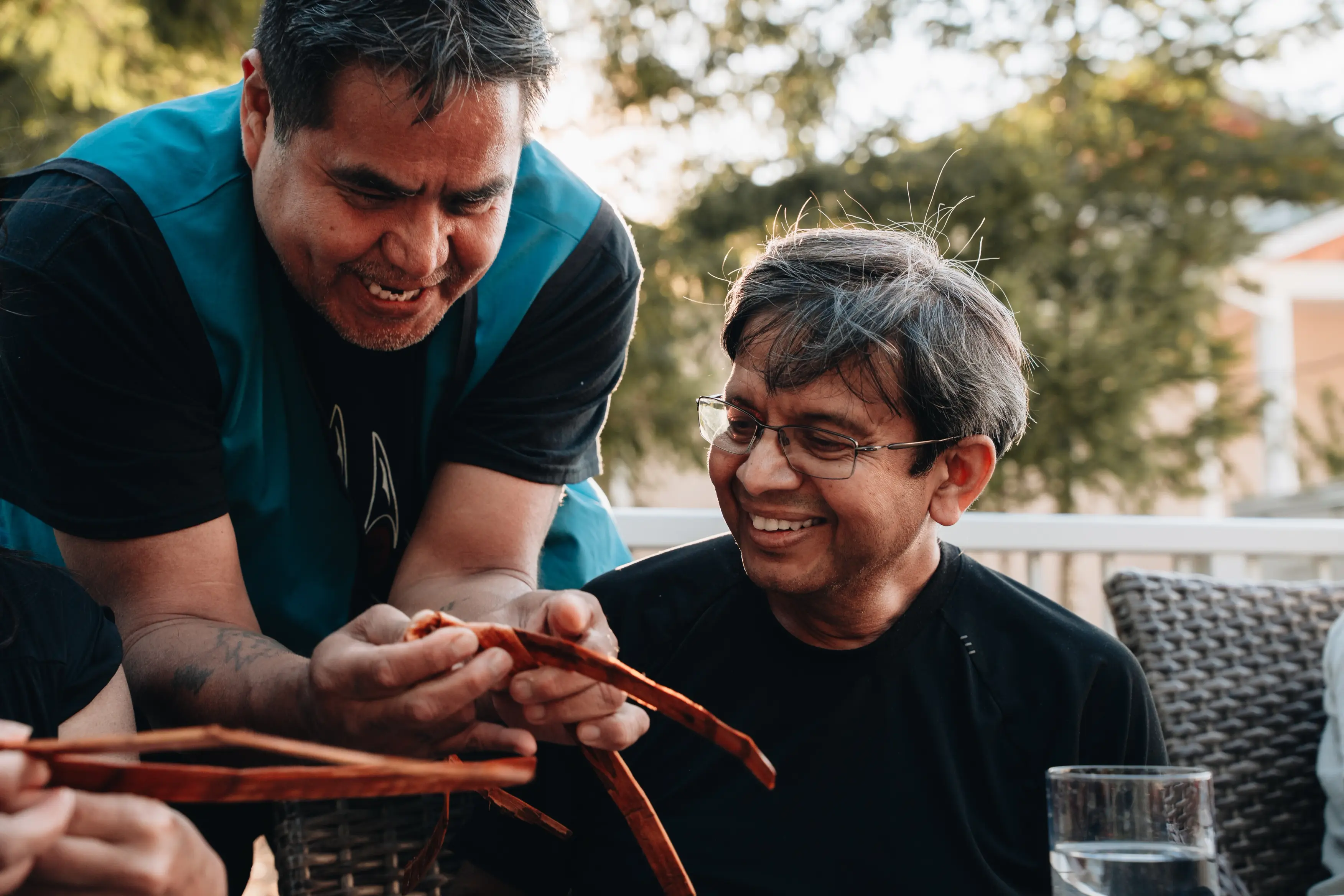
That evening, we headed to the new Feast House for dinner before meeting community member John Amos for our first lesson of the trip.
John taught us the art of cedar weaving, guiding us as we worked individual strands together by hand. Cedar has sustained coastal First Nations for generations, used for canoes, homes, baskets, clothing, tools and countless other purposes. As we worked, John shared some of that history and the importance cedar continues to hold for the Mowachaht/Muchalaht.
The workshop was also our first glimpse at how cultural knowledge is being incorporated into the visitor experience here.

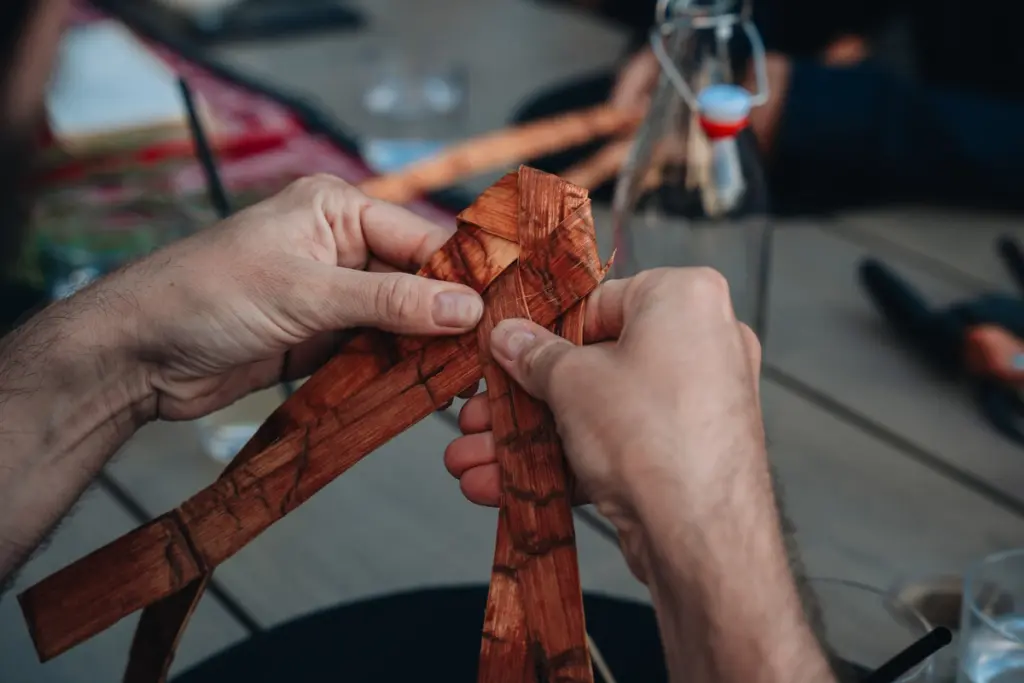
For community member Shirley Johnson, who is helping lead cultural revitalization efforts through tourism, culture extends far beyond what a visitor might immediately recognize as a cultural activity.
“That's culture,” she told us. “It's not just about what we make.”
She talked about language, family values, songs and dances, hunting, cutting and preparing fish, and getting ready for winter. They are everyday practices, but also part of the knowledge carried between generations.
Shirley remembers travelling and watching visitors kayak, fish and buy work from local artists. She found herself thinking about what could happen back home.
“We could have that for our band at home.”
Mowachaht/Muchalaht artists and craftspeople were already there, she explained. What had been missing was a place and an opportunity to share more of that work with visitors.
The next morning, we headed west.
YUQUOT: “WHERE THE WINDS BLOW FROM MANY DIRECTIONS”
We boarded a charter boat and headed through Nootka Sound toward Yuquot.
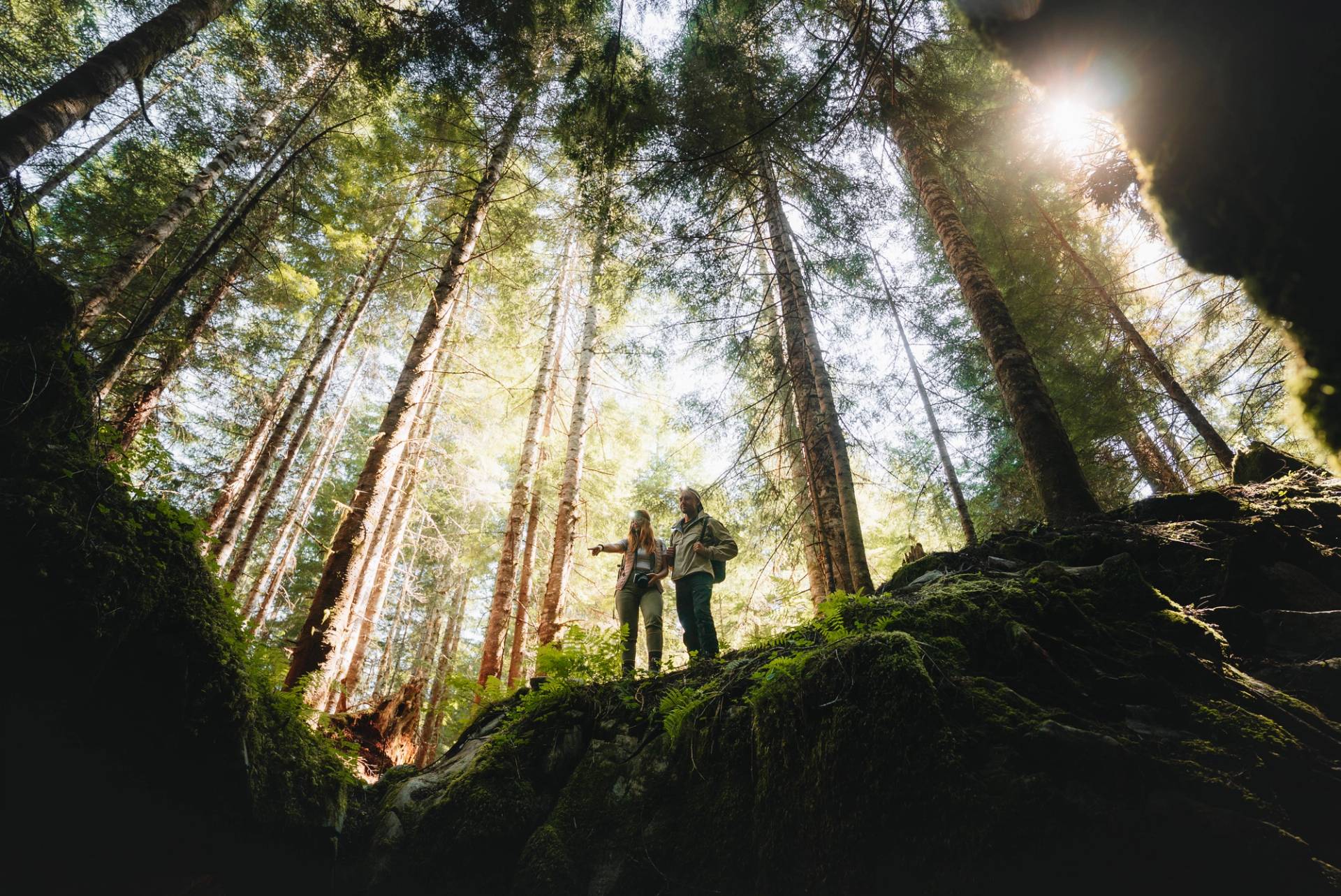
The farther we travelled, the quieter it became. Forest covered almost every shoreline. Mountains rose behind narrow channels and, eventually, the protected waterways began opening toward the Pacific.
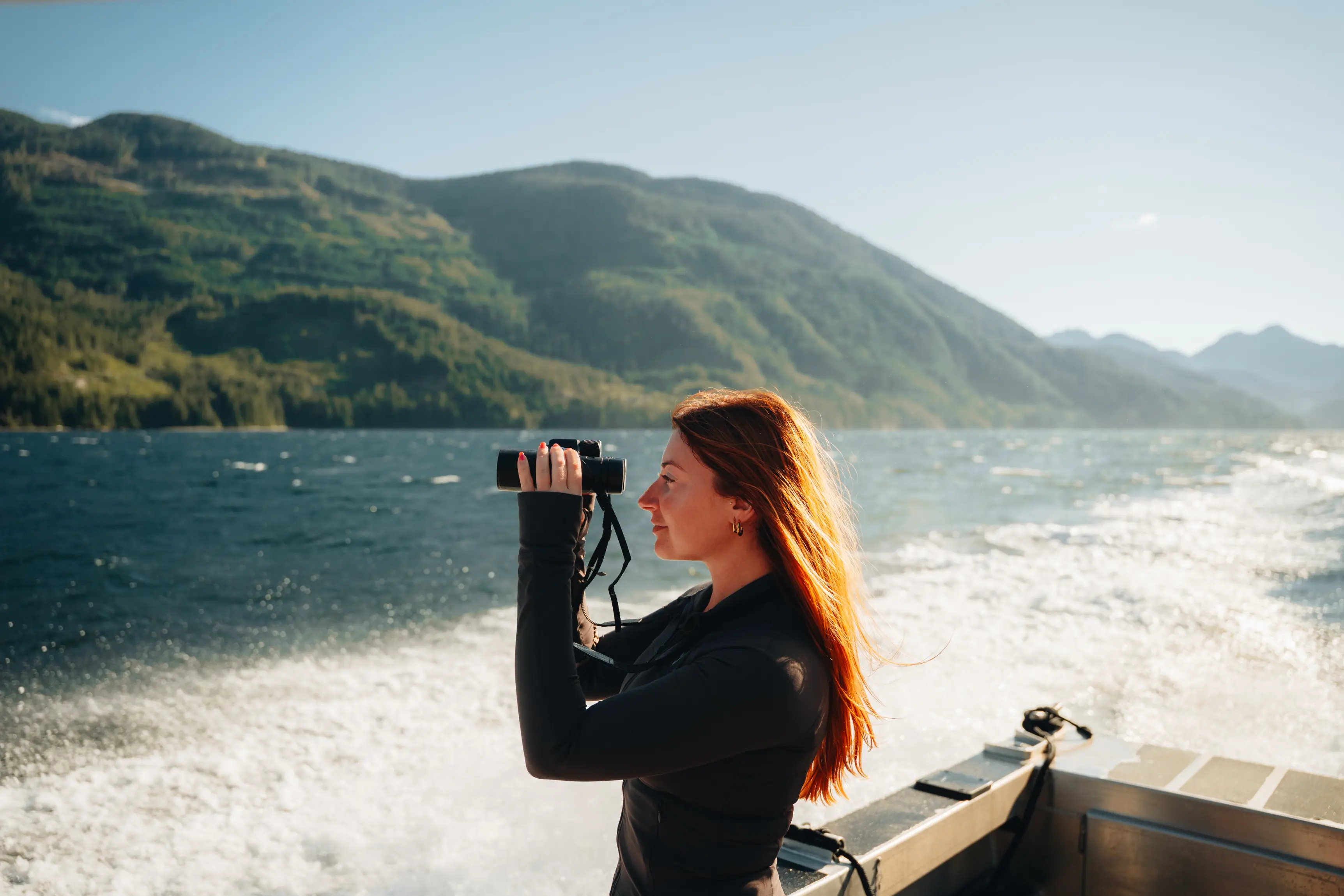
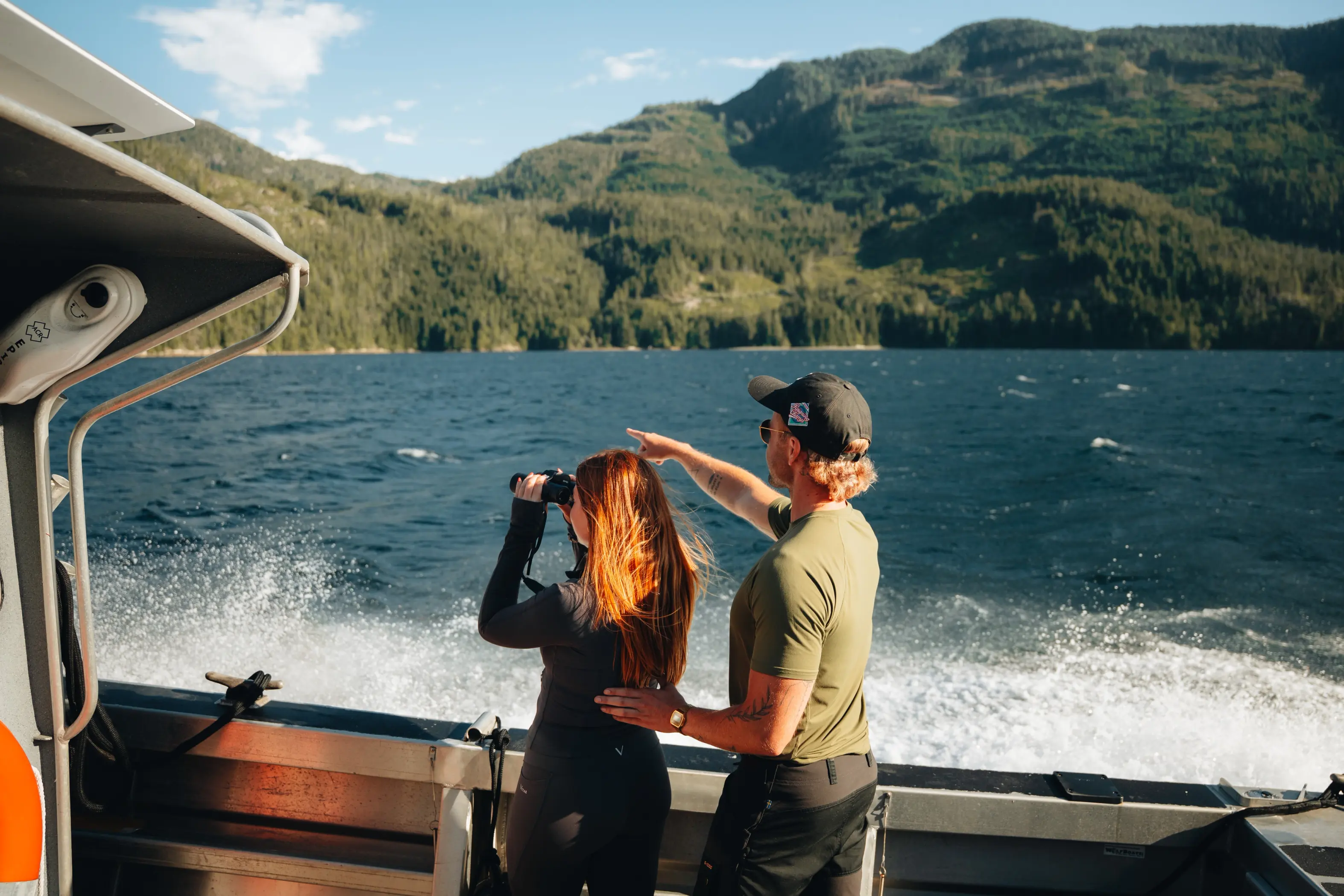
Then Yuquot appeared ahead of us.
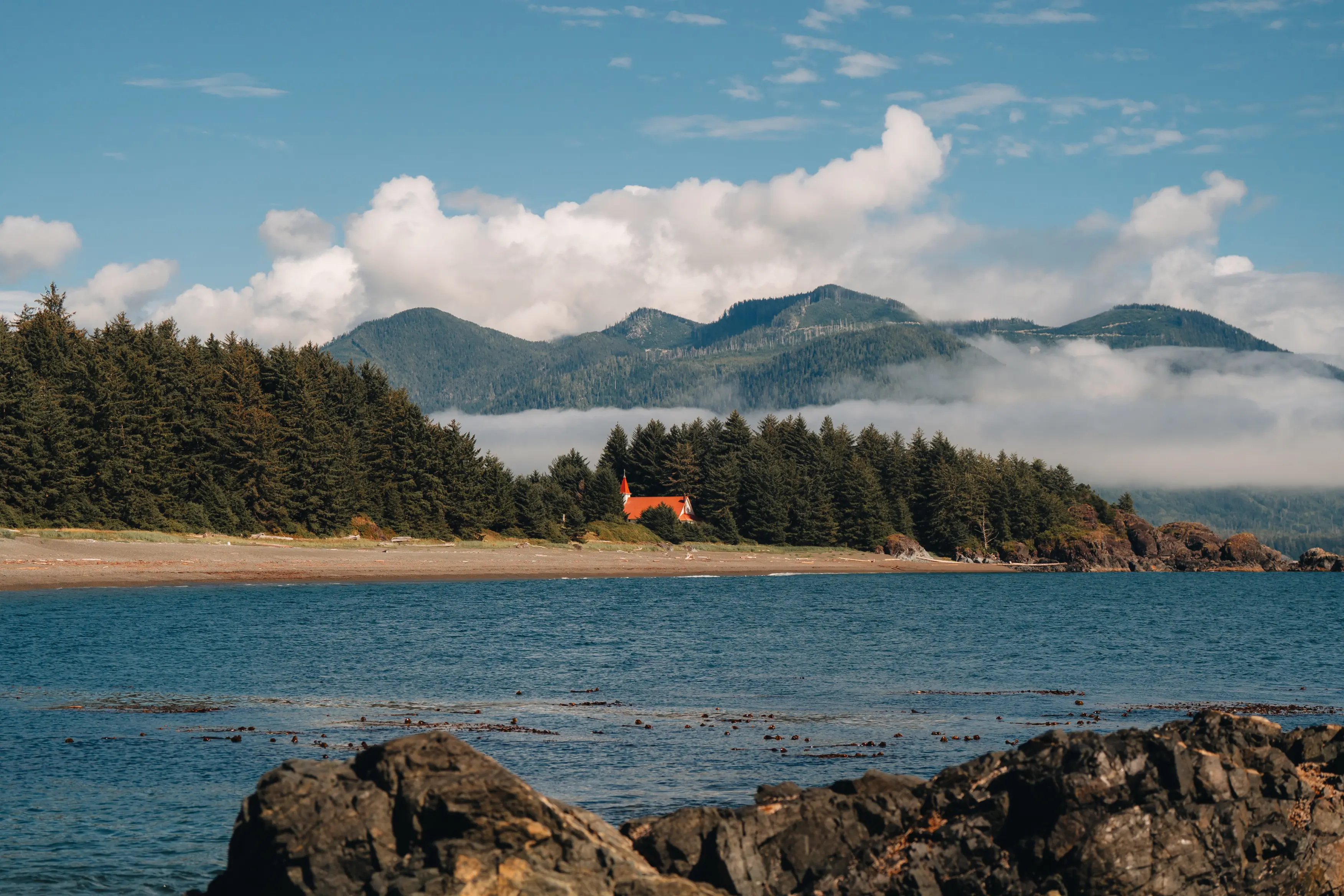
Often called Friendly Cove, Yuquot was the principal home of the Mowachaht for countless generations and remains an important cultural and spiritual place for the Nation.
For Hereditary Chief Jerry Jack, Klakwagiila, what visitors learn while they are there matters.
When we asked what he hoped someone would take home from a visit, his answer was straightforward:
“Knowledge of how our people lived.”
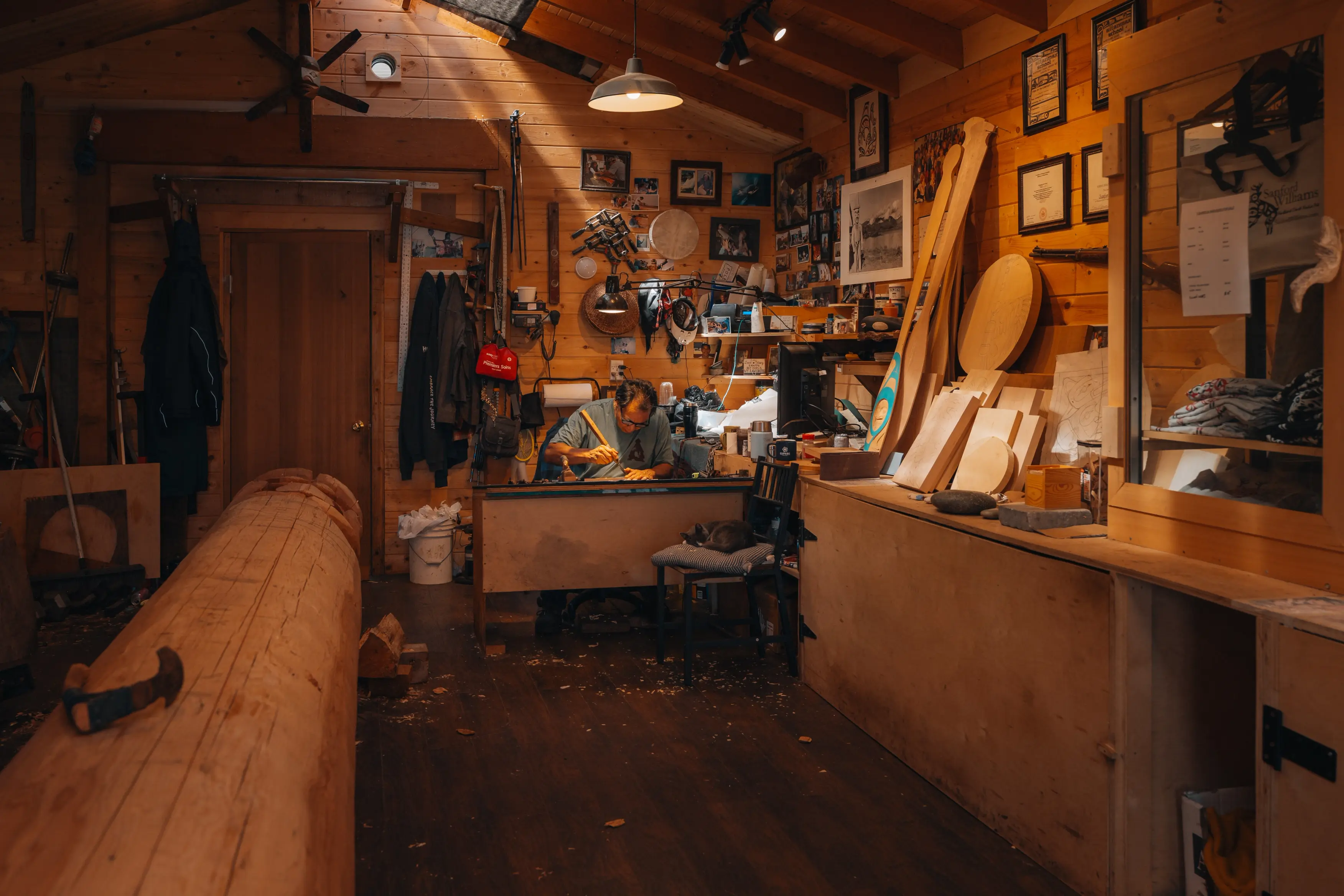
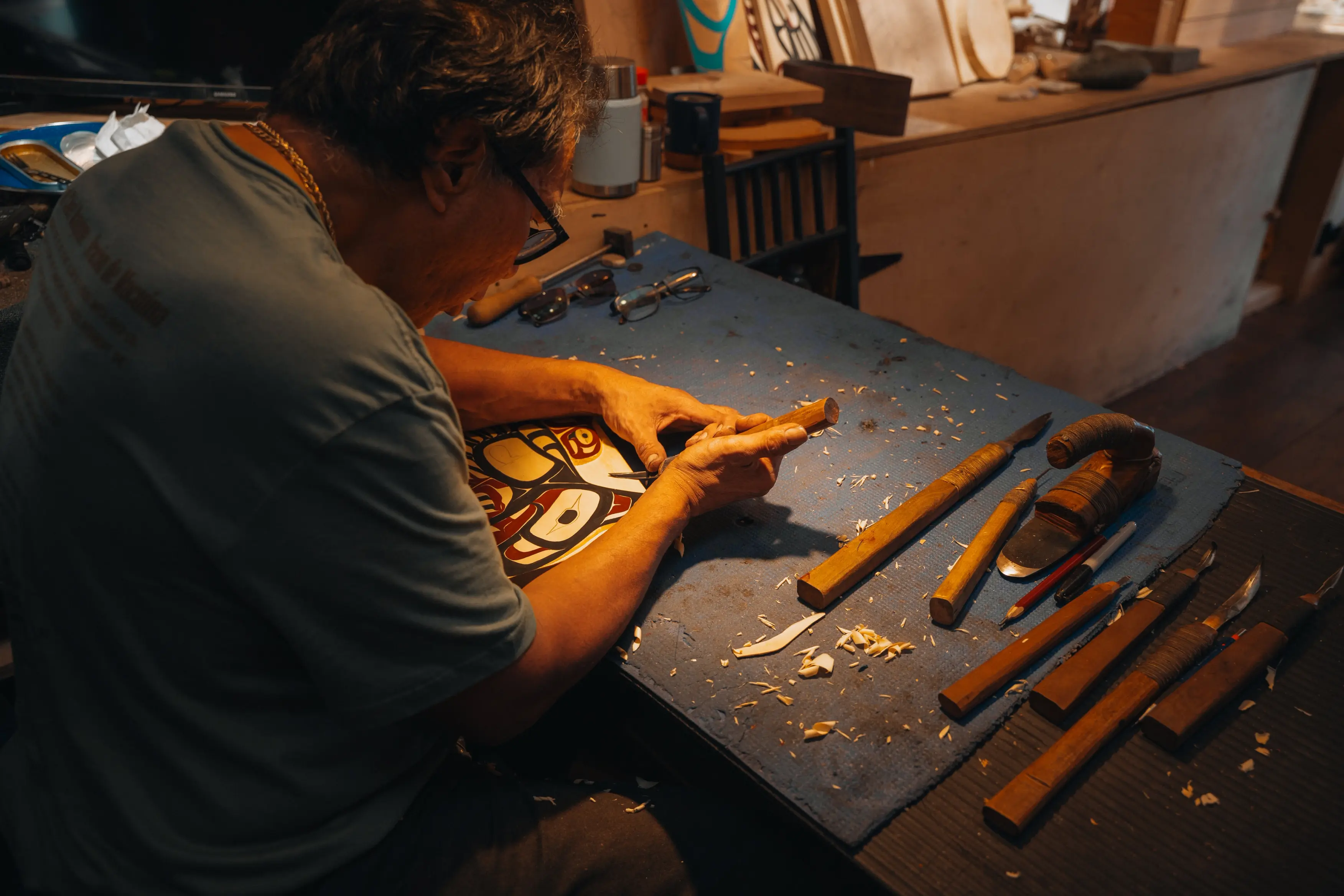
Much of the written history of Yuquot focuses on Cook, the Spanish and British, and the international politics that unfolded here. Walking through the village with community members offers another perspective.
European contact brought devastating consequences. Introduced diseases decimated Indigenous populations throughout the Pacific Northwest, while the colonial policies that followed sought to sever people from their lands, languages and cultural practices. Generations of Indigenous children were taken from their families and sent to residential schools.
At Yuquot, those histories sit alongside evidence of what endured.
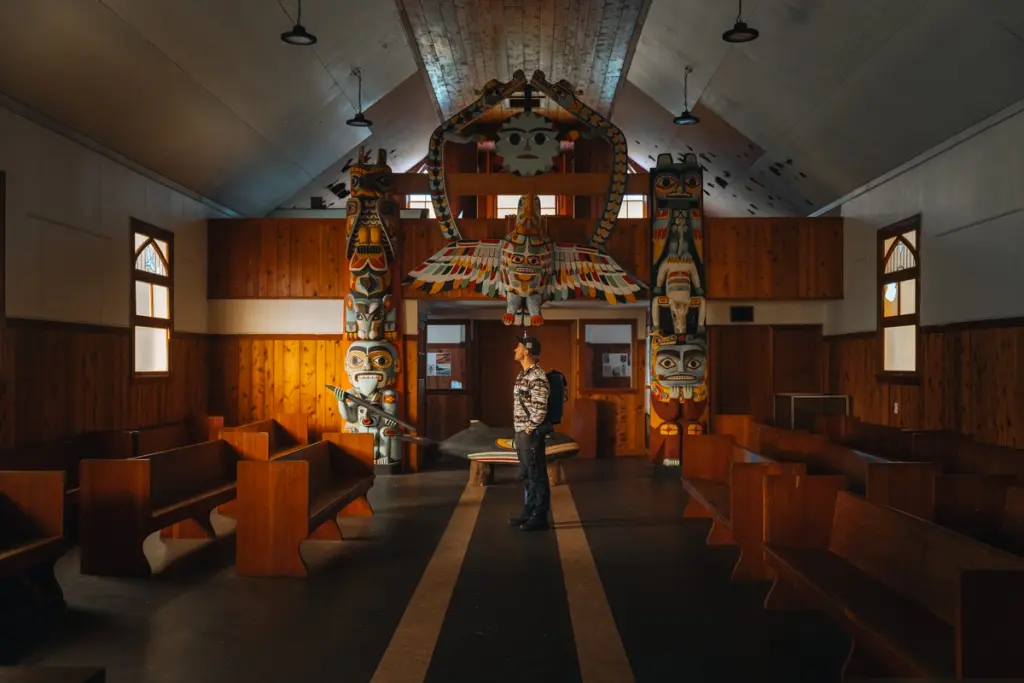
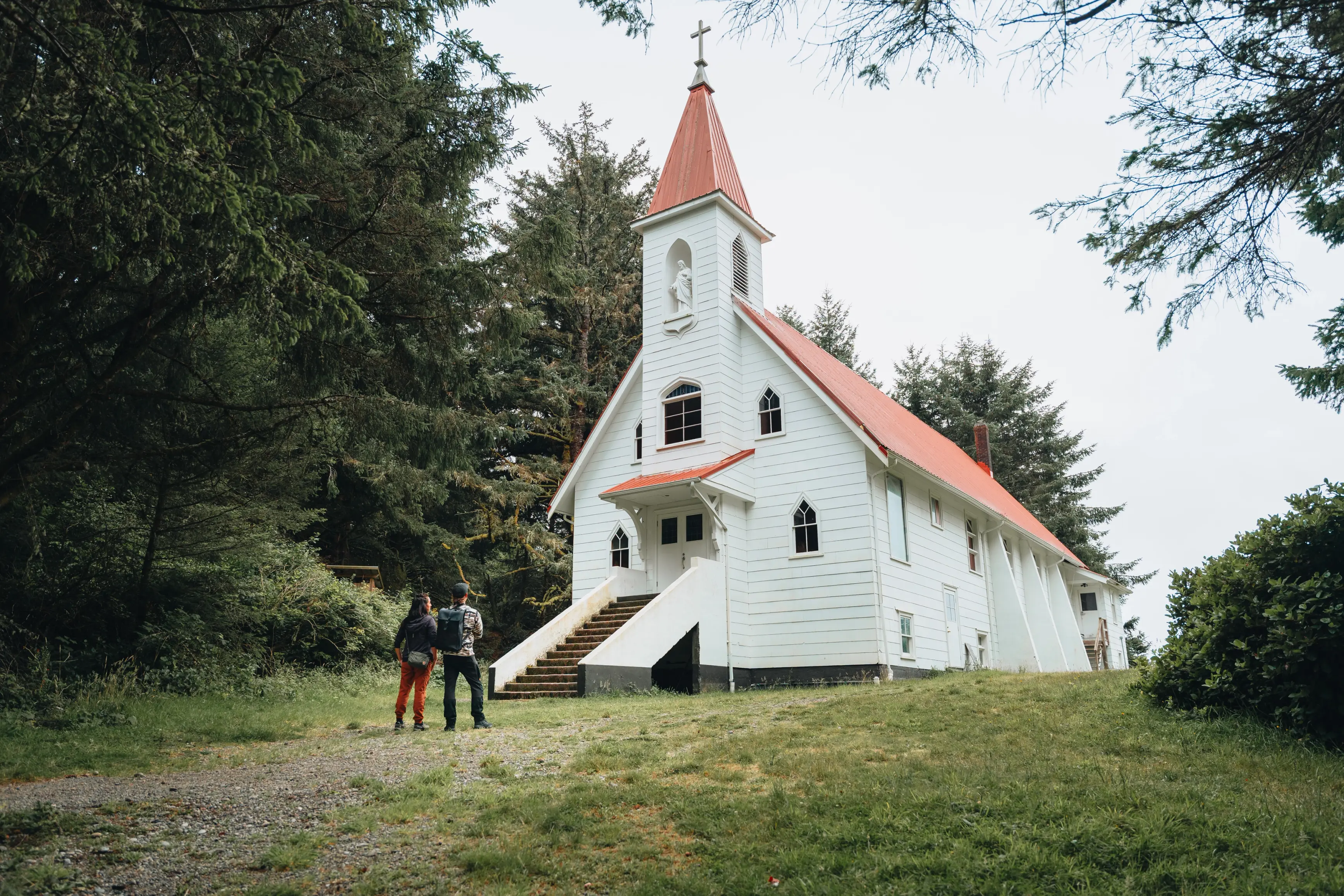
One of the most recognizable buildings is the former Yuquot church. A church stood near the cove beginning in 1875 before burning in 1954. The current building dates to the 1950s and continued operating as a Catholic church until the 1990s.
The building now serves a very different purpose. Inside, Mowachaht/Muchalaht carvings and houseposts fill the former church, which is used as a cultural centre and gathering space. Restoration work continues on the structure.
Its history has also been captured in Canadian art. Emily Carr painted the previous church in 1929. The resulting work was known for decades as Indian Church. In 2018, the Art Gallery of Ontario renamed it Church at Yuquot Village.
Long before either church stood here, Yuquot was home to generations of Mowachaht whalers.
Whaling required years of knowledge and preparation, with spiritual practices tied closely to the hunt. Jerry spoke about those traditions and the Whalers’ Washing House, also known as the Whalers’ Shrine, a sacred ceremonial site that was removed from Yuquot in the early 20th century and spent more than a century in New York before returning to the Nation.
“Our people were whalers,” Jerry told us. “And that was a very sacred thing to do.”
Our afternoon took us from the Pacific to the calm water of nearby Jewitt Lake, where we launched paddleboards beneath the surrounding rainforest.

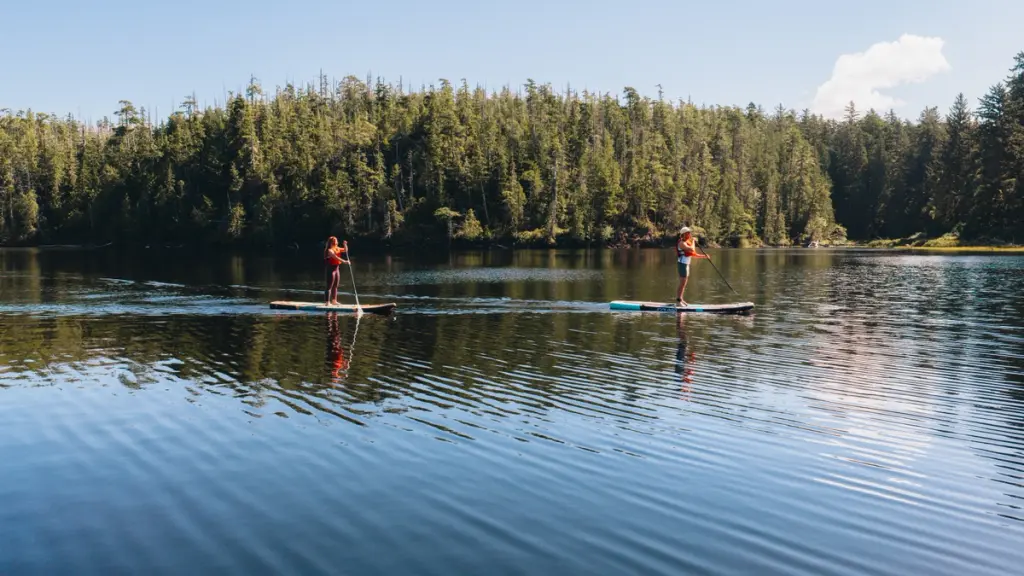
Later, we settled into our cabins for the night.
The Yuquot cabins are rustic, with views across the ocean and lake and forest pressing in around them. There are no roads to Yuquot. Once the boat leaves, the pace changes almost immediately.
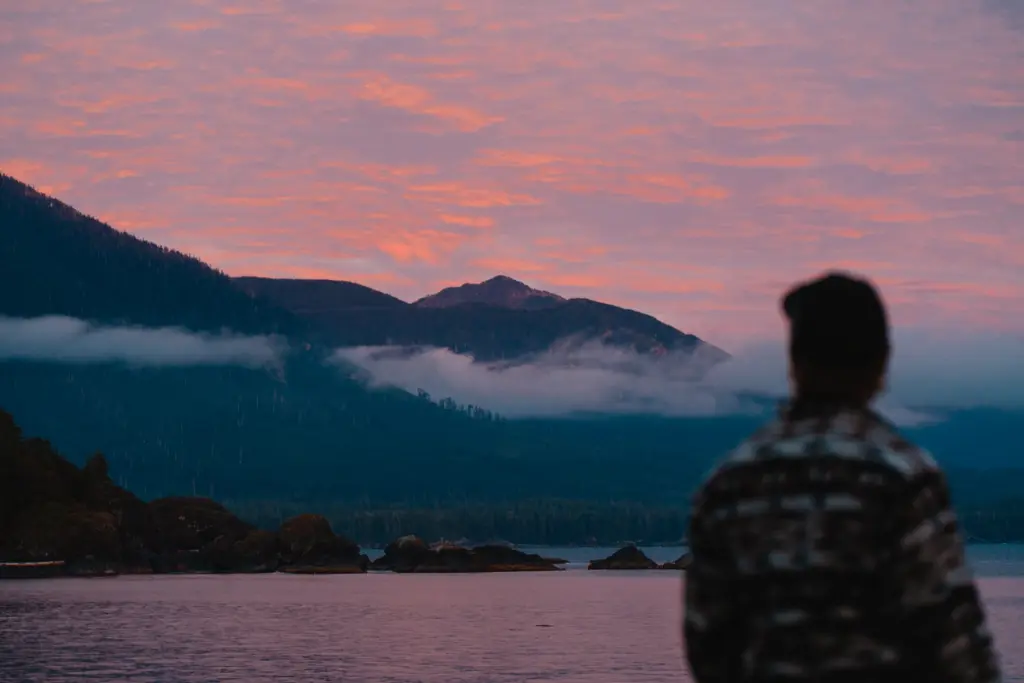
That evening, we built a fire on the beach and watched the sun drop toward the Pacific.
Wildlife seemed to be everywhere. Sea otters moved through the water while eagles circled overhead. At low tide, starfish and small crustaceans appeared in pools along the rocks. At one point, coastal wolves made their way along the beach not far from our cabins.

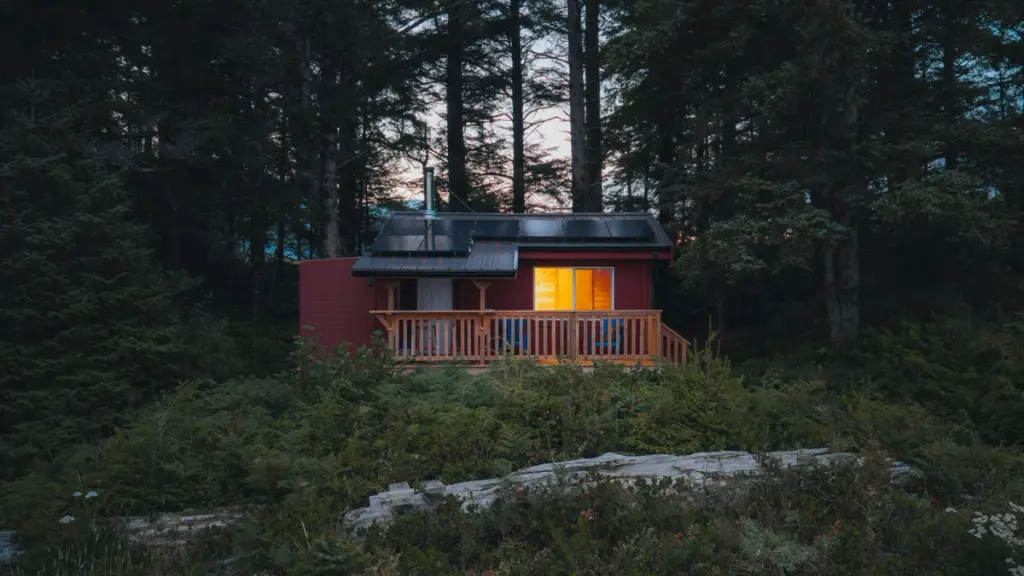
“Taking care of our land and stewarding our land is important to me,” Jerry told us.
He spoke about lessons passed down by his parents and the responsibility to care for the animals, waters and land within the territory. Those teachings have particular relevance as more people discover this part of Vancouver Island.
For Shirley, that relationship with Yuquot is deeply personal. Returning isn't simply about visiting the place where she was born; it is a connection to family, ancestors and generations of life here.

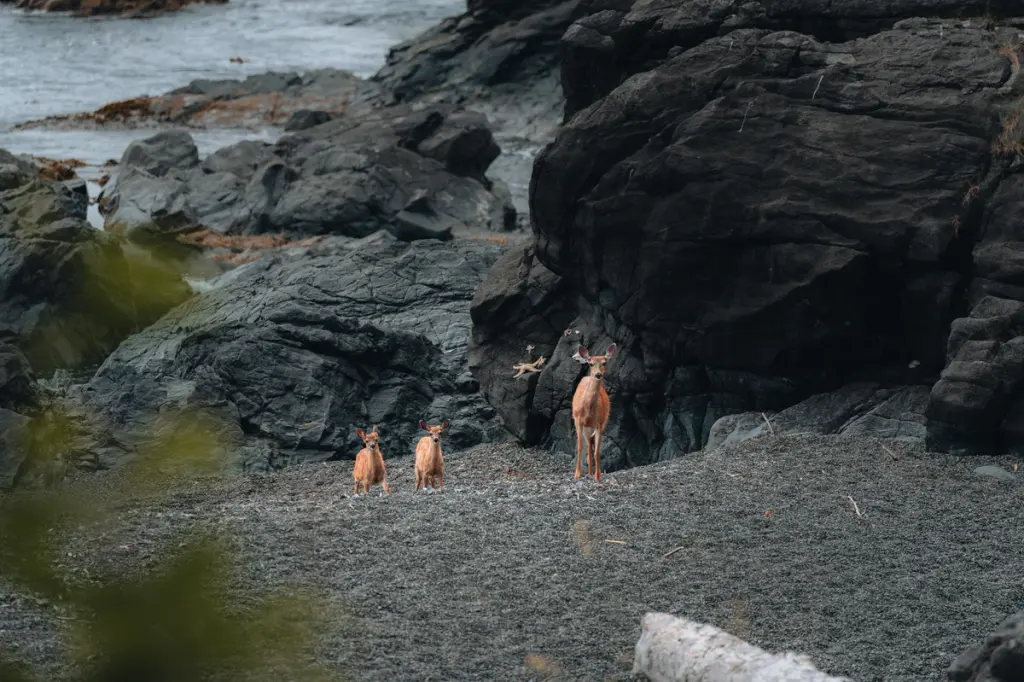
Her words offered another way of understanding what tourism can mean here. Visitors are part of the equation, but so are Mowachaht/Muchalaht community members returning to Yuquot, sharing knowledge and creating opportunities around culture.
Some of that happens through language and songs. Some happens through food, carving and weaving. Sometimes it is as simple as spending time together in a place generations of a family have called home.
STORIES FROM THE SOUND
The next morning, we packed our bags and boarded the charter boat back across Nootka Sound.
Yuquot was disappearing behind us when someone spotted a dorsal fin.
A pod of orcas surfaced nearby.

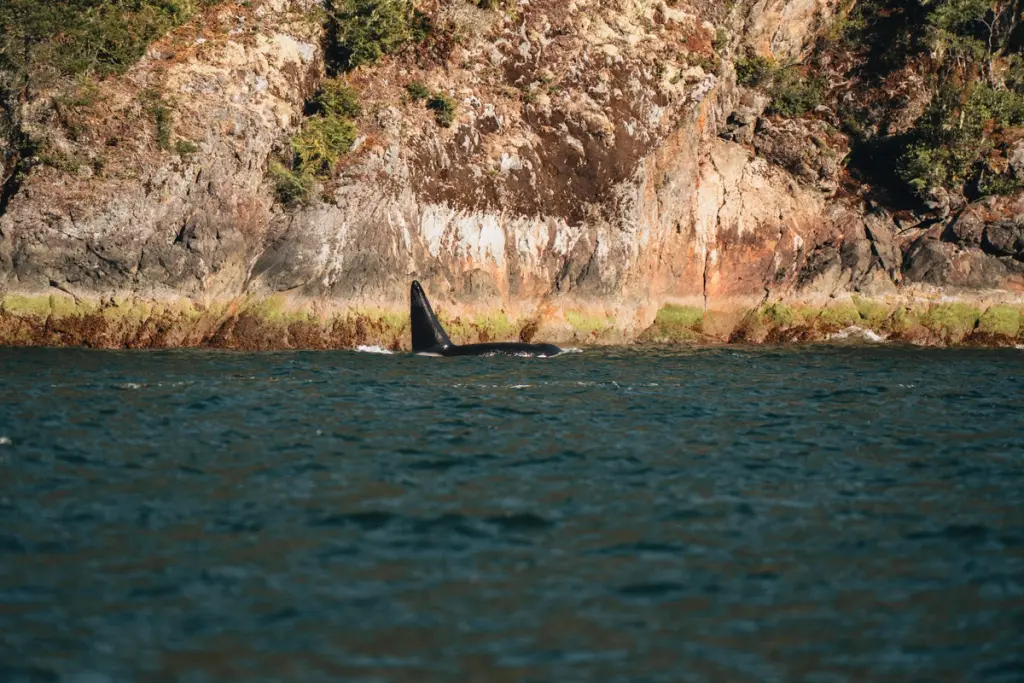
For several minutes, we watched them move through the sound before they slipped beneath the water and disappeared again.
After everything we had learned in Yuquot about the Mowachaht/Muchalaht relationship with the ocean, the timing wasn't lost on us.
Whaling was once integral to Nuu-chah-nulth life and required specialized knowledge of the ocean, physical preparation and ceremony. The stories Jerry had shared the day before suddenly felt very close.
Eventually, we continued toward shore.
Our final day took us in a completely different direction: underground.
At Upana Caves, about 14 kilometres west of Gold River, we followed a trail through the forest before descending into a network of limestone caves carved by water beneath the surface. Inside, daylight quickly disappeared as we explored a series of cool, spacious chambers, with water continuing to shape the limestone beneath the forest.

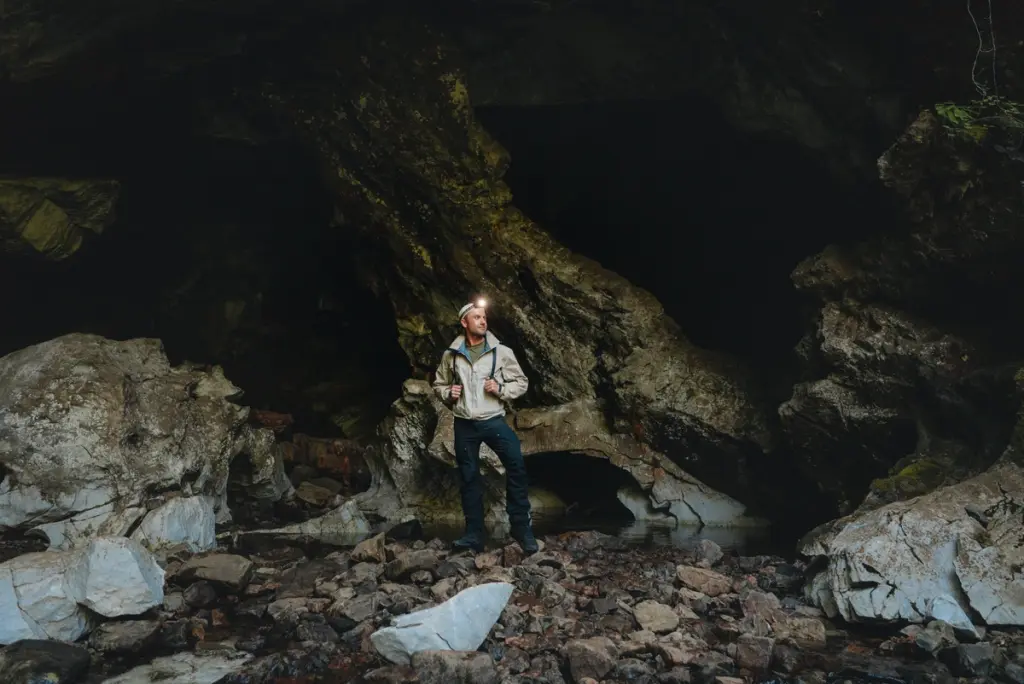
After two days surrounded by huge ocean and mountain views, exploring the caves felt like seeing the region from the inside out.
A few hours later, we were back above ground and on the water one last time.
We launched canoes onto Muchalaht Lake as the sun dropped behind the mountains. The water was almost completely still.

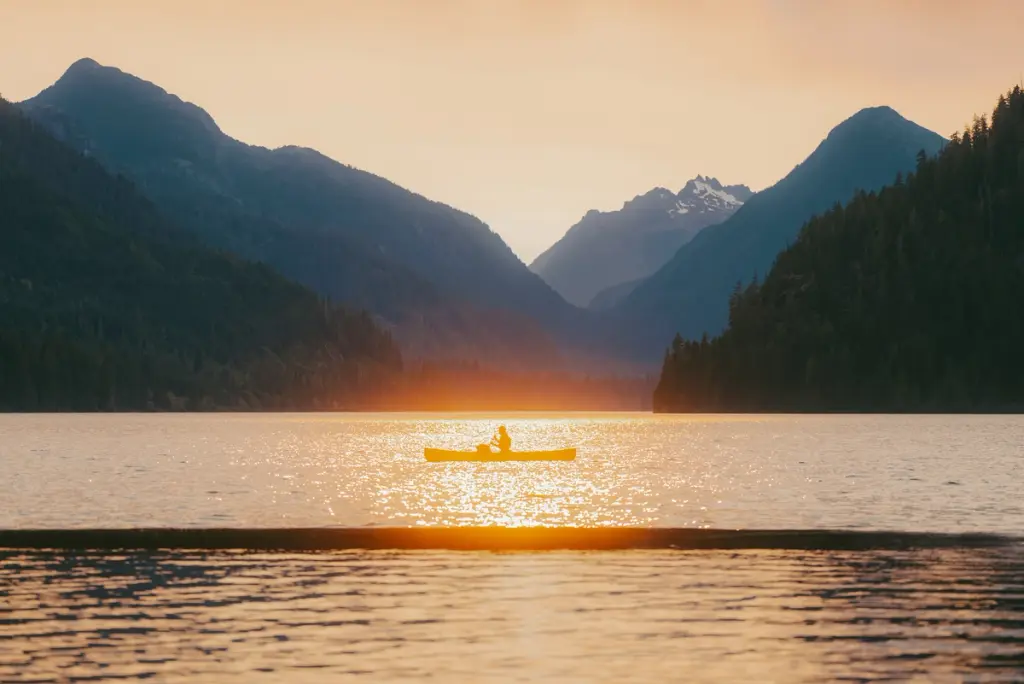
It was a quiet final night after three days that had delivered almost every west coast experience we could have hoped for.
We had watched coastal wolves walk along the beach and orcas surface beside our boat. We had paddled lakes, crossed Nootka Sound and crawled through caves beneath the forest.
Yet when the trip was over, those weren't the stories we talked about first.
CARRYING NUU-CHAH-NULTH CULTURE FORWARD
By the end of our three days in Mowachaht/Muchalaht territory, it was the moments shared with people that seemed to linger.
John had shown us how strands of cedar come together in our hands. Shirley had described the feeling of returning to Yuquot, where family, memory and generations of history are tied to the land. Jerry had shared stories carried through the waters and places around us, and his hope that visitors leave knowing a little more about the people who have called them home for generations.

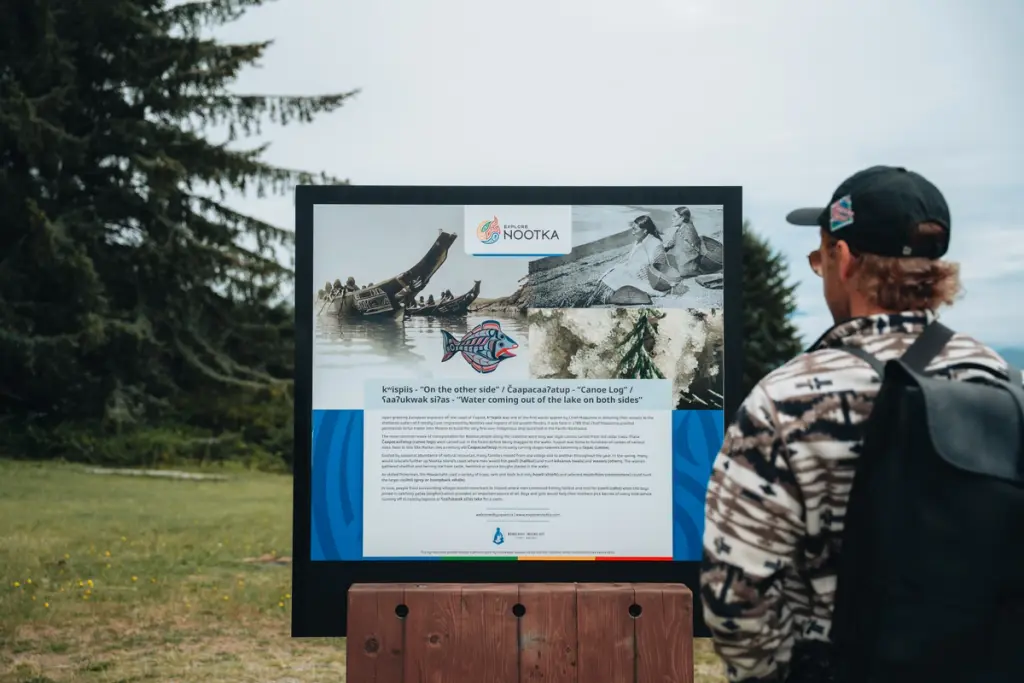
For the Mowachaht/Muchalaht, tourism creates another way for those stories to be shared on their own territory and in their own words. It can create opportunities for artists, guides and community businesses, while inviting visitors to experience Nuu-chah-nulth culture through the people who carry it forward.
Jerry hopes visitors leave “feeling good about what they've seen, how clean it is, how our people treat them,” and wanting to learn more about Mowachaht/Muchalaht history.
There is no shortage of beauty here. Over three days, we watched coastal wolves move along the beach and orcas surface in Nootka Sound. We crossed stretches of ocean, paddled beneath mountains and watched the evening light disappear over the Pacific.
But in the end, the landscape and the stories of the people who belong to it were difficult to separate.
We arrived knowing this part of Vancouver Island would be beautiful.
We left knowing a little more about why it matters.
To learn more about visiting Nootka and experiencing Mowachaht/Muchalaht territory, visit Explore Nootka.


Go Canada Staff
Editorial
Go Canada is a digital travel publication dedicated to being a trusted resource for information and inspiration for those traveling to and within Canada. Our mission is to showcase the very best Canada has to offer while making travel planning and trip preparation enjoyable and easy. Our staff is a diverse group of travel experts, writers, and content creators who are passionate about sharing their knowledge and love for Canada.